
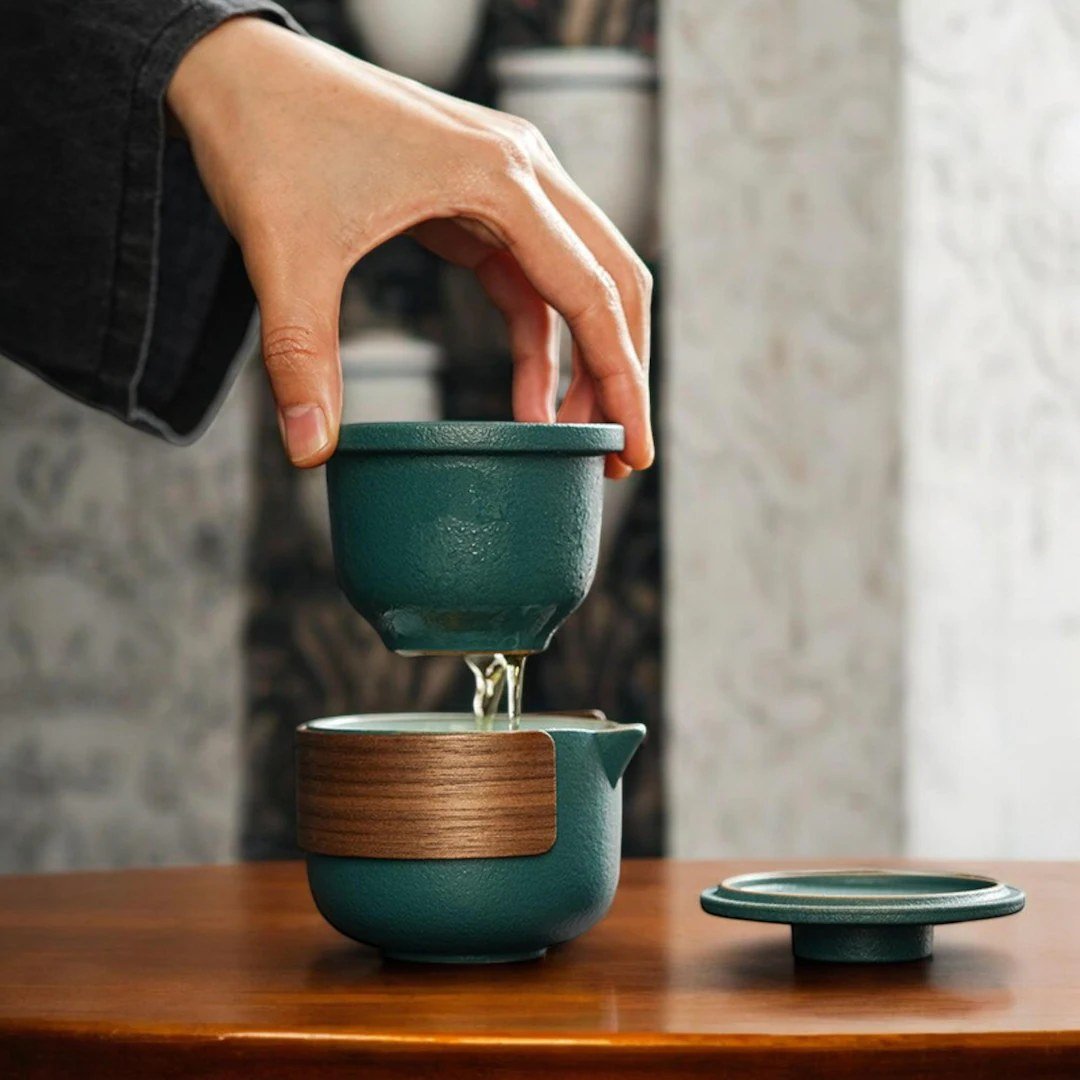
What Is the Best Way to Brew Tea Properly?
We are a nation that runs on tea, and yet an astonishing amount of the tea brewed in Britain is, frankly, substandard. If you’re asking what is the best way to brew tea properly, you’re already ahead of everyone who just dunks a bag in lukewarm water and hopes for the best.
A proper cuppa isn’t snobbery — it’s chemistry. Tea leaves need the right temperature, the right time, and fresh water to give up their flavour properly. Here’s how to do it right, whether you’re a builder’s-brew loyalist or venturing into loose leaf.
Start with fresh water, fully boiled
This is the rule everyone breaks. Reboiled water has lost its dissolved oxygen, and flat water makes flat tea. Always fill the kettle fresh — and only boil what you need, which saves energy too.
For black tea (English Breakfast, Assam, Earl Grey), you want a full rolling boil: 100°C. Black tea needs the heat to extract properly. Lukewarm water gives you coloured water with a vague memory of tea. Green and white teas are the exception — they want 70–80°C, or they turn bitter.
Warm the pot, measure the tea
Swirl a splash of hot water in the teapot (or mug) and discard it. A cold pot drops the water temperature the moment it hits, and temperature is everything.
One bag — or one rounded teaspoon of loose leaf — per person, plus one for the pot if you’re feeling traditional. For a mug, one bag is right; doubling up doesn’t make it stronger, it makes it stewed. Loose leaf genuinely tastes better than bags (more whole leaf, less dust), but a good bag beats bad loose leaf every time.
Steep it properly (and time it)
Pour the just-boiled water over the tea and start a timer. For black tea: 3–5 minutes. Any less and it’s weak; much more and the tannins take over, giving you that mouth-puckering bitterness. Earl Grey is best at the shorter end, a robust Assam can take the full five.
Don’t squeeze the bag against the side of the mug with a spoon — that old habit wrings out bitter tannins. Just lift it out (or pour through a strainer) when the time’s up. And never leave the bag in while you drink; that’s how you get tea that could strip paint.
Milk: how much, and when
The great debate. The traditional method — milk in the cup first — dates from when pouring boiling tea into cheap china could crack it; the milk cooled it slightly. With modern mugs it makes no difference to the tea, so do what you like. What matters is the amount: enough to turn it the colour of hazelnut, not so much it goes beige.
And a note for the purists: milk goes in black tea. It doesn’t go in green tea, Earl Grey is debated (try it without first), and herbal ‘teas’ aren’t tea at all — they’re infusions, and milk would be a crime. Oat milk works surprisingly well in a strong builder’s brew, if dairy’s not your thing.
What is the best way to brew tea properly? Your questions answered
Does the order of milk really matter? With modern mugs, no — it’s pure tradition and personal ritual. The milk-first rule dates from delicate china that could crack with boiling water; today’s mugs don’t care. What matters is the amount and that the tea brewed properly first. Put the milk in whenever you like and ignore anyone who tells you otherwise.
How do I make tea for a crowd? Use a teapot — it’s what they’re for. One bag per person plus one for the pot, boiling water, 3–5 minutes, then serve. Warm the pot first, and if there’s a delay, use a tea cosy (they actually work). For very large groups, make it strong and provide hot water alongside so people can dilute to taste — the caterer’s trick.
What’s the best tea for a proper builder’s brew? A strong Assam or a robust English Breakfast blend — malty, full-bodied, stands up to milk. Look for blends with Assam in the mix; that’s what gives the classic strength. And always fresh water, fully boiled: the number one sin of bad office tea is the reboiled kettle.
Beyond the everyday: teas worth exploring
Once the daily brew is perfected, there’s a world beyond. Earl Grey — black tea with bergamot oil, fragrant and best without milk (try it; the purists have a point). Assam — malty and robust, the backbone of builder’s tea. Darjeeling — the ‘champagne of teas’, delicate and floral, for slow weekend mornings.
Green teas (sencha, gunpowder) want cooler water (75–80°C) and shorter steeps — treat them gently and they’re grassy and refreshing; bully them with boiling water and they’re bitter. And herbal infusions — peppermint for digestion, chamomile for evenings, fresh ginger and lemon for colds — aren’t technically tea (no tea plant) but deserve their place in the cupboard.
You don’t need a connoisseur’s collection: a good everyday black, something fragrant for afternoons, and a herbal for evenings covers every mood. The British tea ritual isn’t about variety — it’s about doing the simple thing perfectly, every time.
Teaware worth owning (and what to skip)
You don’t need much for great tea, but a few well-chosen pieces make the ritual better. And plenty of gadgets are pure marketing — here’s the honest breakdown.
- A proper teapot: ceramic or porcelain, sized for your household. It brews better than a mug (room for leaves to expand, heat retained) and it’s a joy to use. Charity shops are full of beautiful ones for pounds.
- A tea cosy: unfashionable, effective. Keeps the pot hot through a long chat. Knit one, buy one — just have one.
- An infuser or strainer: for loose leaf. A simple basket infuser beats novelty ball infusers (more room for leaves to unfurl).
- Skip: electric ‘tea makers’ with seventeen settings (a kettle and timer do the same), novelty infusers that don’t allow expansion, and expensive ‘tea thermometers’ (boil, wait two minutes for green tea — done).
- The one luxury: a small cast-iron or glass pot for loose-leaf afternoons. Not necessary; deeply pleasurable. Ritual matters.
The takeaway
Brewing tea properly comes down to four things: fresh water at a full boil, a warmed pot, three to five minutes of steeping (timed, not guessed), and the bag out before bitterness sets in. It’s a two-minute ritual that turns a daily habit into a genuine pleasure. Put the kettle on.
Keep reading
If you found this useful, you might also enjoy our guide to how do i start running when i am unfit, our guide to how often should i get my eyes tested and our guide to what jewellery goes with a black dress.


Leave a Reply