
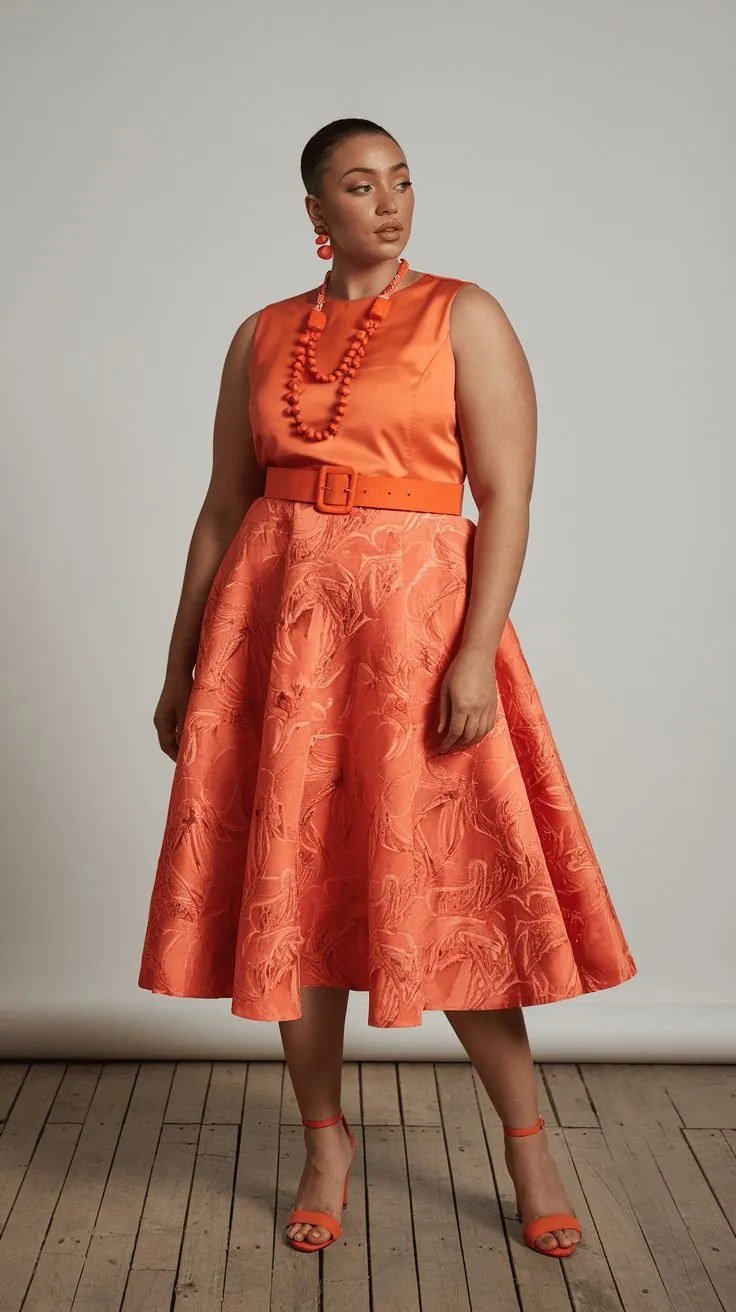
British weddings are a dress-code minefield. The invitation says something cryptic like “dress to impress” or “garden formal,” the venue is a barn in the Cotswolds in October, and you’ve got one shot at getting it right in front of people with cameras. What should you wear to a wedding in the UK? The rules are more specific than you might think — and breaking the unwritten ones is remembered far longer than any speech. So, What should I wear to a wedding in the uk? Here’s what actually works.
What should I Wear to a Wedding in the UK — The non-negotiable rules
Let’s get these out of the way, because they matter more than anything else:
- Don’t wear white. Not ivory, not cream, not “barely off-white.” The only person in white is the bride. This rule is absolute and everyone notices violations. The same goes for anything that could photograph as white.
- Don’t wear black head-to-toe. A black dress with colourful accessories is fine; full funeral-black reads as a statement, and not the one you want.
- Respect the stated dress code. If it says black tie, wear black tie (or the nearest you own). “Dress to impress” means formal. Ignoring the dress code isn’t stylish individualism; it’s disrespectful to the couple who planned it.
- Don’t outshine the couple. This is a celebration of them, not your personal fashion week. Stunning is good; “who was that?” is not.
Decoding the dress code
British invitations use a dress code vocabulary that’s worth learning:
- Black tie: floor-length gown or very formal cocktail dress; men in dinner jackets. Rare for daytime UK weddings, common for evening.
- Formal / black tie optional: long or midi dress in luxe fabric; suit and tie for men.
- Cocktail: knee-to-midi dress, dressy but not gown-level. The most common UK wedding dress code.
- Smart casual / dressy casual: a nice midi or maxi dress, or separates — but still polished. “Casual” at a wedding still means wedding-level effort.
- Garden / outdoor: the trickiest — pretty and practical. Block heels or wedges (stilettos sink into grass — the single most common wedding footwear disaster), a wrap for the evening, and fabrics that survive wind.
Dressing for the British weather reality
Here’s the thing about UK weddings: the weather is a co-host with veto power. Even August weddings get rained on. Plan for it:
- Bring a layer. A pashmina, wrap, blazer or tailored jacket that complements the outfit. Churches are cold, marquees are draughty, and shivering through the photos helps no one.
- Footwear strategy. Block heels, wedges or elegant flats for outdoor/grass venues. If you must wear stilettos, bring heel protectors (those little plastic caps that stop you sinking). Break shoes in beforehand — nothing ruins a wedding faster than blisters by the speeches.
- Have a wet-weather plan. A chic umbrella, and hair styled to survive humidity. British brides plan for rain; guests should too.
Colours, hemlines and the photos
Jewel tones (emerald, sapphire, burgundy) photograph beautifully and suit most skin tones — if you’re pale, our guide to colours for pale skin will help you pick. Pastels work for spring/summer daytime. Florals are a wedding perennial (pun intended) but keep them dressy, not casual. Hemlines: midi is the modern sweet spot — elegant, practical for sitting/standing/dancing, and appropriate for church. Very short or very revealing reads as nightclub, not nuptials.
And consider the group photos: you’ll be in pictures that live on mantelpieces for decades. Choose something you’ll still like in ten years — classic over trendy is the wedding-guest way.
Hats, fascinators and accessories
Hats and fascinators are a joyful British wedding tradition — but check the vibe first. Formal/traditional weddings: a hat or fascinator is expected and delightful. Modern casual weddings: you might feel overdressed. If in doubt, a smaller fascinator or elegant hair accessory splits the difference. One practical rule: make sure your headpiece doesn’t block anyone’s view during the ceremony — the couple’s parents will not forgive you.
For jewellery, keep it elegant rather than statement-everything — our guide to jewellery pairing has principles that apply to any outfit. A clutch or small bag (not your everyday tote), and you’re set.
What men should wear
Men’s wedding dressing in the UK: a well-fitting suit (navy or grey for daytime, darker for evening), proper dress shirt, tie or bow tie per the dress code, and polished shoes. Morning dress (top hat and tails) is only for explicitly formal traditional weddings — don’t improvise it. And the fit matters more than the price: a £200 suit tailored well beats a £800 suit off the rack. Our guide to picking a suit that fits covers the details.
Plus-ones, children and other wedding etiquette
Beyond the outfit, wedding guest etiquette has unwritten rules that matter as much as the dress:
Plus-ones. Only bring one if explicitly invited (“and guest” on the invitation, or named). Don’t ask for one — the couple has budgeted per head, often £100+ per guest, and every extra person is a real cost. If you’re in a new relationship and not offered a plus-one, go solo gracefully; it’s not a judgement on your relationship, it’s arithmetic.
Children. Assume they’re not invited unless stated. Weddings are expensive, logistically complex events — the couple has decided on the vibe they want. Don’t bring children “just for the ceremony” or ask for an exception. If children are invited, the invitation will say so, and then the usual rules apply: keep them managed during speeches, and have an exit plan if they melt down.
RSVP properly and promptly. Reply by the deadline, with meal choices if requested. A late or missing RSVP creates genuine catering chaos. And if you RSVP yes then can’t come, tell them immediately — a no-show wastes a paid-for place and leaves a gap in the seating plan.
Photos and phones. Respect unplugged ceremonies (increasingly common — the couple wants professional photos without a sea of phones). Don’t post photos of the couple on social media before they do — it’s their moment to share. And never, ever get in the professional photographer’s way.
Gifts. Give what you can afford without resentment — the couple would rather have you there than receive a lavish gift. Gift lists exist to make it easy; cash towards the honeymoon is increasingly normal and appreciated. Send it before or shortly after, not months later.
Speeches and dancing. Listen to the speeches properly (the speakers are terrified — your attention is a kindness). Dance if there’s dancing — the couple has paid for a band or DJ, and an empty dancefloor is heartbreaking. You don’t need to be good; enthusiasm beats skill.
The bar. Pace yourself. The open bar is generosity, not a challenge. Eat the food provided. Drink water between drinks. The weddings people remember fondly are the joyful ones — not the ones where a guest became the story. And arrange your transport home in advance; rural venues and late nights don’t mix with improvised travel plans.
The practical takeaway
Wedding dressing in the UK comes down to: never white, respect the dress code, dress for the weather you’ll actually get (layers, grass-proof heels), choose colours that photograph well, and accessorise with restraint. When in doubt, ask the couple or someone in the wedding party — they’d far rather answer a quick question than see you uncomfortable all day. And remember: the best-dressed guest is the one who looks great and looks like they belong there.


Leave a Reply