

It’s the question more and more Britons are asking as car costs climb and Uber becomes woven into daily life: why own a depreciating metal box that sits parked 95% of the time when you could just summon a car whenever you need one? It’s a fair question — and the answer, as with most money questions, is “it depends on your mileage, your postcode and your patience”. Let’s do the maths properly.
The true cost of owning a car
Most drivers wildly underestimate what their car costs, because they count fuel and insurance and forget the rest. The real annual cost of running a typical family hatchback in the UK:
- Depreciation: £1,500–£3,000 a year on a typical £10,000–£20,000 car. This is the biggest cost and the most ignored — your car silently loses value every month.
- Insurance: £400–£800 for an experienced driver; far more for the young.
- Fuel: £1,200–£1,800 for 8,000 miles in a petrol car.
- Servicing, MOT and repairs: £400–£800 a year averaged (some years nothing, some years a £900 surprise).
- Vehicle tax, parking permits, tolls: £200–£500 depending on location.
Total: roughly £3,700–£6,900 a year, or £310–£575 a month — before finance payments if the car isn’t owned outright. The RAC’s running-costs guide breaks this down in detail. If that number shocks you, you’re not alone — and it’s exactly why the Uber question deserves a serious answer. Getting these costs visible is also step one of building a budget that actually works.
The true cost of living on Ubers
Now the other side. Uber (and Bolt, and local minicabs) pricing in the UK varies enormously by city and time. Rough benchmarks: a 3-mile trip in a regional city costs £7–£10; the same trip in London £10–£15. A 10-mile journey might be £18–£25 outside London, £25–£40 in the capital. Surge pricing at peak times, Friday nights and in bad weather can multiply fares by 1.5–2.5x.
Do the weekly maths for a typical pattern — say, commuting 5 miles each way, five days a week, plus weekend trips. That’s 10 short trips a week at ~£9 average: £90 a week, £4,680 a year — and that assumes no surge, no late-night premiums, no airport runs. Add a couple of longer weekend journeys and you’re easily at £6,000–£8,000 a year. Suddenly the car’s £5,000 annual cost looks like the bargain.
The crossover point: doing your own maths
The honest answer is a formula, not a verdict. Estimate your annual car cost (use the list above, with your real numbers), then estimate your ride-hailing spend: count your typical weekly trips, multiply by realistic fares, multiply by 52, and add 20% for surge and spontaneity.
As a rough rule of thumb:
- Under ~3,000 miles a year (city dweller, walkable commute, occasional trips): ride-hailing usually wins, often by £1,000+ a year. The car’s fixed costs — depreciation, insurance, tax — are wasted on a vehicle you barely use.
- 3,000–8,000 miles a year: the grey zone. It depends on your city’s fares, whether you can use buses/trains for commuting, and how much you value spontaneity.
- Over ~8,000 miles a year (regular commuting by car, family logistics, rural living): owning almost always wins, often by thousands. High-mileage ride-hailing is ruinously expensive.
Where you live matters enormously. In London, with the Tube, buses, and relatively short Uber distances, ditching the car is genuinely viable — and many Londoners have. In a village in Northumberland, where the nearest Uber might be 20 minutes away and cost £25 to reach the supermarket, it’s not a serious option. The cheapest ways to get around London make car-free living far more practical in the capital than anywhere else in Britain. The passenger watchdog Transport Focus publishes regular research on how different transport modes compare for real passengers.
What the spreadsheet misses
Money isn’t the whole story. Before you decide purely on pounds, consider the costs that never appear in a fare estimate. Waiting time has a value: ten minutes on a rainy pavement waiting for a driver who is “two minutes away” is a tax on every journey, and during strikes, storms or major events, availability collapses exactly when you need it most. There’s also the errand problem — the quick trip to the tip, collecting a wardrobe from Facebook Marketplace, driving a poorly relative to A&E at midnight. Ride-hailing handles planned A-to-B trips well and improvises badly.
Factors the maths doesn’t capture:
- Convenience and spontaneity. A car means leaving when you want, carrying what you want, going where you want. Ride-hailing means waiting, surge pricing when it rains, and no 11pm dash to a 24-hour pharmacy without a £20 fare.
- Reliability. Your car starts every morning. Uber availability at 5am in a suburb, during a train strike, or on New Year’s Eve is a gamble.
- Family logistics. Child seats, buggies, football kits, the weekly shop, visiting grandparents 40 miles away — family life multiplies the car’s value enormously. Ride-hailing with two kids and a pram gets old fast.
- The middle path. Many households find the sweet spot is one car instead of two, supplemented by ride-hailing — or a car plus a rail season ticket. You don’t have to choose all-or-nothing.
- Car clubs. Zipcar, Enterprise Car Club and similar services rent by the hour (£6–£12/hour including fuel and insurance). For the occasional IKEA run or weekend away, a car club plus ride-hailing can undercut ownership without the commitment.
The environmental footnote
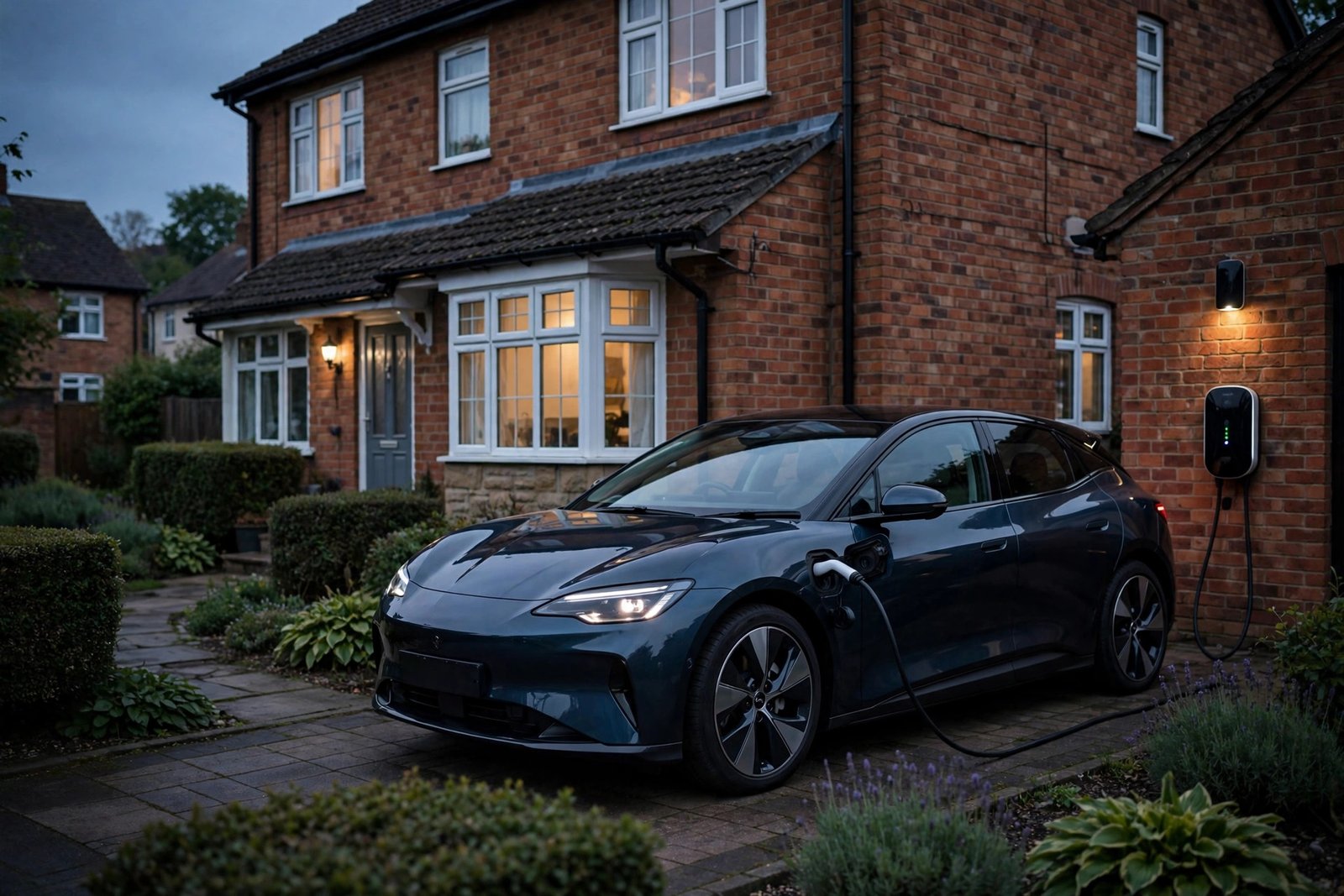
Fewer cars manufactured is good for the planet — manufacturing is a huge chunk of a car’s lifetime emissions. But ride-hailing miles aren’t free: deadheading (drivers cruising empty between fares) means a ride-hailed mile can generate more emissions than a private-car mile. If environmental impact drives your decision, the greenest option is usually: keep your existing car longer (extending its life beats replacing it), drive less, and use public transport where it exists. An EV charged at home beats both options on running emissions.
Conclusion
So: is it cheaper to own a car or live on Ubers in Britain? For low-mileage city dwellers — especially in London — ditching the car and ride-hailing can save £1,000+ a year, and the freedom from MOTs, repairs and parking is worth something too. For anyone driving 8,000+ miles a year, commuting by car, raising a family or living outside a major city, ownership wins by a distance. The honest move is to run your own numbers with the framework above rather than accepting either camp’s slogans. And remember the compromise most people miss: one car instead of two, car clubs for the odd big trip, and ride-hailing for the nights out. The cheapest car is often the second one you don’t own.
Frequently Asked Questions
How much does the average UK car cost per year to run?
Roughly £3,700–£6,900 a year for a typical family hatchback, including depreciation, insurance, fuel, servicing, repairs and tax. Depreciation is the largest and most overlooked component.
At what mileage does owning a car become cheaper than Uber?
Roughly speaking, above 6,000–8,000 miles a year ownership usually wins; below 3,000 miles ride-hailing usually wins. Between those figures it depends on your city’s fares and your travel patterns.
Are car clubs cheaper than owning a car?
For occasional use, yes — dramatically. At £6–£12 an hour including fuel and insurance, a few hours a month of car club use costs a fraction of ownership. They’re ideal as a supplement to ride-hailing for car-free households.
Does surge pricing make Uber much more expensive?
Yes — surge multipliers of 1.5–2.5x are common at peak times, in bad weather and on big nights out. When budgeting for a car-free life, add around 20% to base fare estimates to account for surge.


Leave a Reply