
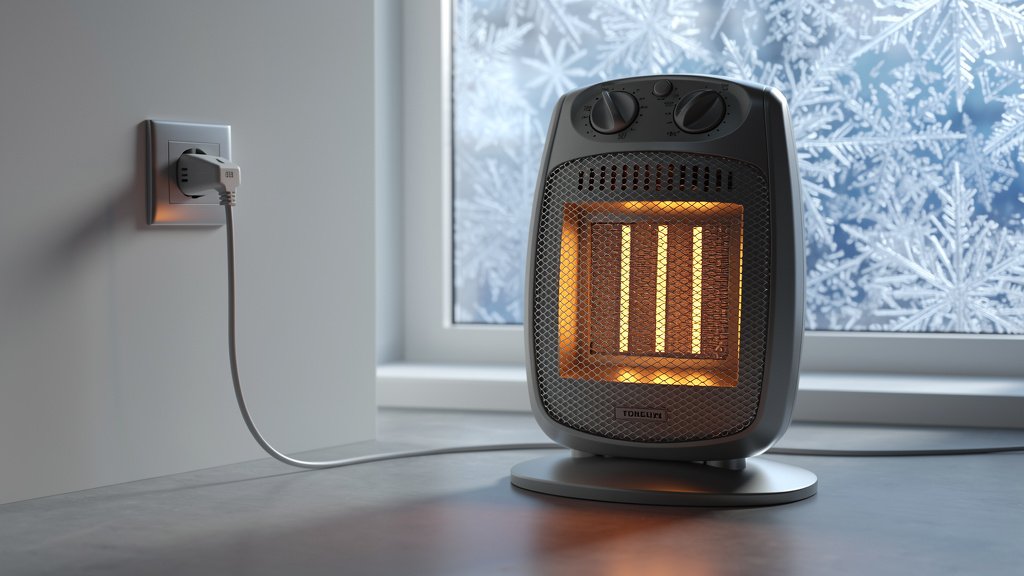
What’s the cheapest way to heat a home in the UK? It’s a more complicated question than it looks, because the answer depends on what you mean: cheapest to install, cheapest per hour of heat, or cheapest over ten years. Those are three different answers. Here’s the honest breakdown for 2026, with real running costs.
The quick answer
For most UK homes on the gas grid, a modern gas condensing boiler with radiators remains the cheapest way to heat — typically 7–9p per kWh of heat. Nothing else comes close on pure running cost right now. But “most homes” isn’t “your home,” so let’s look at the alternatives properly.
Heating options compared (2026 UK prices)
Mains gas boiler — ~7–9p/kWh of heat
The reigning champion on running cost. A new A-rated condensing boiler converts 90%+ of gas into heat, and gas remains far cheaper per unit than electricity. Installation costs £2,000–£3,500 fitted. Downsides: carbon emissions, and the long-term direction of travel is away from gas — but for the next decade, it’s the cheapest heat available.
Heat pump (air source) — ~8–10p/kWh of heat
The surprise contender. Heat pumps don’t create heat; they move it, delivering 3–4 units of heat for each unit of electricity. At current electricity prices (~24p/kWh) and a realistic efficiency (COP) of 3.0–3.5, the effective cost is 7–10p/kWh — roughly matching gas. Installation is the killer: £7,000–£13,000 even after the £7,500 Boiler Upgrade Scheme grant. They also work best in well-insulated homes with larger radiators or underfloor heating. Cheapest over 15 years in the right house; expensive mistake in the wrong one.
Wood burner / log stove — ~6–12p/kWh of heat
Potentially the cheapest of all if you have access to cheap or free wood. Bought-in seasoned hardwood costs £120–£180 per cubic metre; at that price, heat costs around 8–12p/kWh — similar to gas. Scrounged or self-cut wood can push it below 5p. A stove costs £1,500–£3,000 installed (plus chimney lining). Best as a supplement to central heating rather than a whole-house solution — brilliant for heating your main living space while the central heating runs lower.
Oil boiler — ~10–12p/kWh of heat
For off-grid homes, oil is usually cheaper than the electric alternatives. Kerosene prices swing with the oil market, so budget for volatility. New oil boilers cost £3,000–£5,500 fitted. If you’re off the gas grid, compare oil against heat pumps seriously — the grant makes heat pumps competitive.
Electric radiators / storage heaters — ~24p/kWh of heat
Direct electric heating converts electricity to heat at 100% efficiency — which sounds great until you see the price: around 24p per kWh, three times the cost of gas heat. Storage heaters on Economy 7 tariffs do better (~12–15p/kWh overnight), but they’re inflexible and increasingly rare. Electric heating is cheap to install (£200–£500 per radiator) and ruinous to run as a whole-house system. Fine for occasionally-used rooms; terrible as your main heat.
Infrared panels — ~24p/kWh of heat
Same electricity price problem as other electric heating, marketed with big efficiency claims. They heat objects rather than air, which feels pleasant, but the meter doesn’t care — you’re still paying 24p per kWh. Only sensible for small, well-insulated spaces used intermittently.
So what’s actually cheapest for you?
- On the gas grid, average home: gas condensing boiler. No contest on running cost.
- On the gas grid, well-insulated home, planning to stay 15+ years: heat pump deserves a proper quote — the grant changes the maths.
- Off the gas grid: compare oil vs heat pump (with grant) carefully; both beat direct electric.
- One cold room, rest of house fine: a small electric heater for occasional use is cheaper than upgrading the whole system.
- Access to cheap wood: a wood burner for the living room + lower central heating elsewhere is a brilliant combo.
Before you spend a penny on new heating: reduce the need
The cheapest heat is the heat you don’t need. Before considering any system change:
- Insulate your loft to 270mm — the best £/saved ratio in home improvement.
- Draught-proof windows, doors and letterboxes.
- Lower your boiler flow temperature (see our heating bills guide) — free and saves £100+/year.
- Use TRVs to avoid heating unused rooms.
Many homes can cut heating demand 20–30% with these alone — equivalent to switching to a much cheaper fuel, without the capital cost.
Heating one room vs the whole house
A common question: is it cheaper to heat one room with an electric heater than run the gas central heating? The maths surprises people. A 2kW fan heater costs ~48p/hour to run. Gas central heating for a typical home costs ~£1–£1.50/hour in cold weather — but heats the whole house. If you’re genuinely using one room for the evening, the fan heater can be cheaper. But most people underestimate: the “one room” becomes two, the heater runs for 5 hours, and suddenly it’s £2.40 versus £1.20 for the central heating doing the whole house properly.
The rule: electric spot-heating wins for 1–2 hours in one room; gas central heating wins for longer or larger areas. And an oil-filled radiator (£40–£80) is better than a fan heater for sustained use — it retains heat and cycles off, using less electricity overall. Whatever you do, don’t heat one room electrically all winter and wonder why the bill is enormous.
Quick wins checklist
If you do nothing else from this guide, do these five things this weekend:
- Turn the thermostat down 1°C and the boiler flow temperature to 55–60°C.
- Walk the house with a candle and draught-proof the worst windows and doors.
- Bleed any radiators with cold spots and set TRVs sensibly per room.
- Close curtains at dusk — open them on sunny winter days.
- Compare your energy tariff on a comparison site and switch if you’re overpaying.
Total cost: under £50. Total time: one weekend. Typical saving: £200–£350 a year. There is no better return on effort in home energy.
If you’re considering a heat pump, check the GOV.UK Boiler Upgrade Scheme page for current grant eligibility and how to apply — the £7,500 grant fundamentally changes the cost comparison.
The takeaway
The cheapest way to heat a home in the UK in 2026 is still a modern gas boiler for most households, at 7–9p per kWh of heat. Heat pumps have closed the gap on running costs and win long-term in well-insulated homes with the grant applied. Direct electric heating is the most expensive option by a mile. But whatever system you have, cutting heat loss first beats changing the heat source — insulate, draught-proof, and turn that flow temperature down.




Leave a Reply