
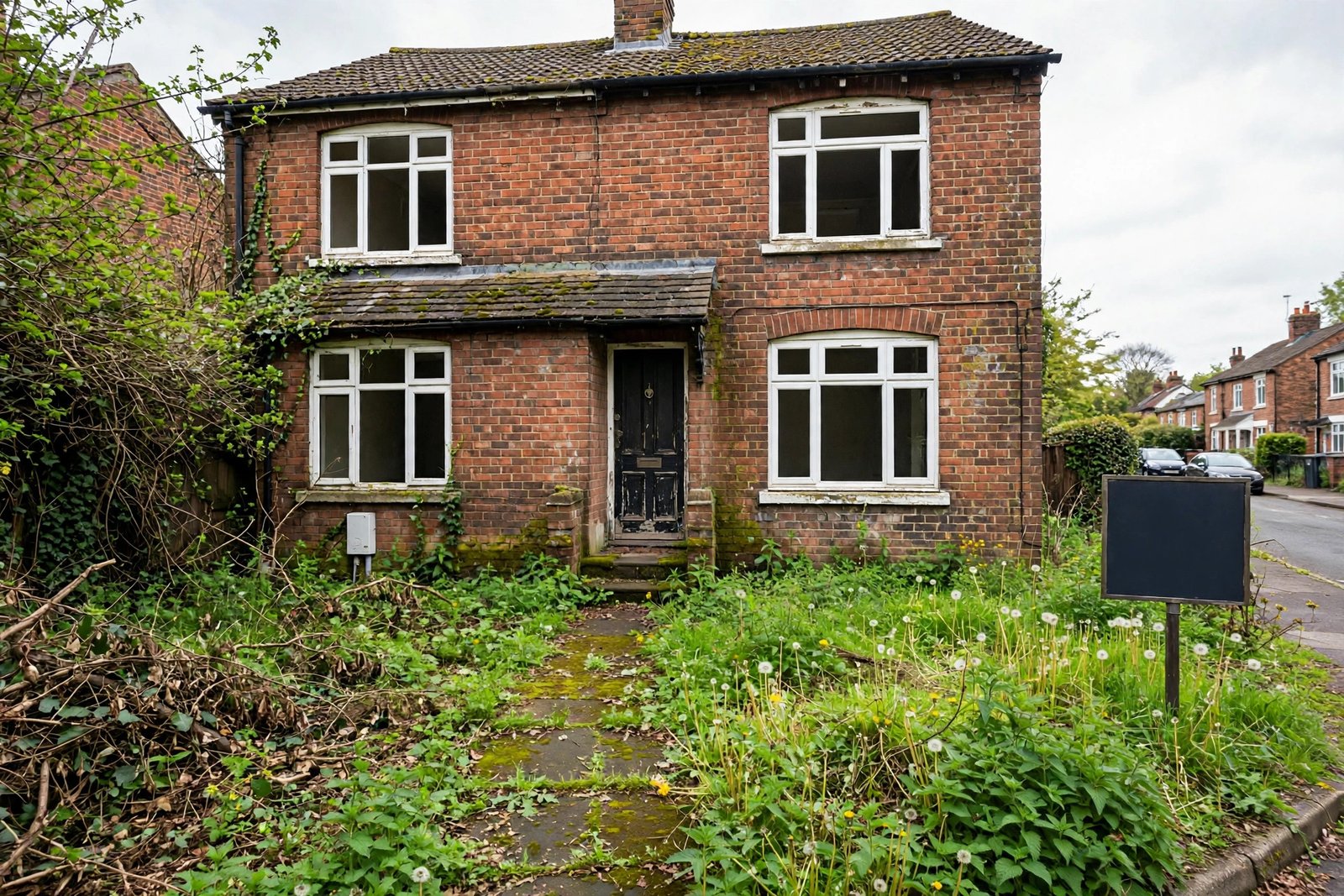
Repossessed houses — properties seized by lenders after mortgage default and sold to recover the debt — carry an irresistible allure: the promise of buying below market value. And sometimes that promise is real. But repossessions are also where the property market’s sharpest edges are: sold as seen, often in poor condition, with legal quirks and competition from experienced investors. Buying one can be a genuine bargain or an expensive trap, and telling the difference requires knowing exactly how the process works. Here is the complete UK guide.
How repossessions come to market
When a borrower defaults seriously, the lender can seek court possession, evict, and sell the property — usually through estate agents, sometimes at auction. Lenders have a legal duty to obtain the best price reasonably achievable (not simply to cover the debt), which is why repossessions are marketed openly rather than sold secretly cheap. They are listed on the usual portals, often flagged as “repossession” or sold by “the lender” — though some agents downplay the status. Auction houses also handle many repossessions, particularly those needing work. There is no central register; you find them by searching listings carefully and building relationships with agents who handle lender sales.
The price myth
The central myth: repossessions sell at huge discounts. The reality: lenders must seek best price, agents market them normally, and experienced investors compete hard — so discounts are typically modest, often 5–15% below market, reflecting condition and the “as seen” risk rather than desperation. Genuine 30%-off bargains are rare and usually reflect serious problems (structural issues, legal defects, unmortgageable status). Price every repossession against comparable normal sales, then discount for condition and risk — not for romance about the word “repossession.”
Finding repossessed properties
Search property portals using terms like “repossession” or filtering for auction listings; register with local estate agents and specifically ask to be notified of lender sales; monitor auction house catalogues (many repossessions go under the hammer); and check the government’s auction listings for unusual cases. Networking matters: agents remember cash-ready buyers for quick lender sales. Be aware that some “repossession” listings are actually probate or simply motivated sellers using the term loosely — verify the actual status with the agent. And if you are buying at auction generally, the pace demands preparation: finance arranged, legal pack reviewed, and a hard price ceiling set before the gavel falls.
Due diligence: the non-negotiables
Surveys and condition
Repossessions are sold strictly as seen — no warranties, no seller disclosures, no comeback for defects discovered later. Former owners facing eviction rarely maintained the property lovingly; expect neglect, stripped fixtures (kitchens and boilers sometimes removed), and occasional deliberate damage. A full Level 3 building survey is essential (£700–£1,500), and budget for the worst the survey suggests, not the best. Assume every system — heating, electrics, plumbing — needs work until proven otherwise. Factor finding reliable tradespeople into your costings from the start.
Legal checks
Your conveyancer must verify: clear title (lenders sell with limited title guarantee — less protection than normal sales), no outstanding charges or restrictions, planning compliance for any alterations, and lease terms if applicable. Repossession conveyancing can be slow — lenders’ solicitors are bureaucratic — so allow extra time and keep your mortgage offer’s expiry in mind. Title issues that would be resolved by a normal seller’s cooperation can become deal-breakers when the seller is an institution. MoneyHelper’s guidance on buying property covers the conveyancing process, and Citizens Advice explains your rights if anything goes wrong with the purchase. essentials.
The financial distress parallel
Understanding the other side helps: repossession follows months of arrears, court proceedings and failed repayment plans. The realities of financial distress — whether personal or business — follow similar patterns of escalation. This is not just empathy; it informs your negotiation. Lenders want clean, quick sales to close their books — certainty and speed in your offer can matter more than the last £5,000.
Financing and making an offer
Mortgageability is the key filter: many lenders refuse properties deemed uninhabitable (no kitchen, bathroom, or heating), which pushes buyers toward bridging finance or cash. Get a mortgage decision in principle that accounts for the property’s condition, or have bridging arranged with a clear exit plan — bridging without an exit is how amateurs lose everything. When offering, move fast but stay disciplined: offer based on comparable sales minus realistic renovation costs minus a risk margin, set a walk-away price, and do not get drawn into bidding wars that erase the discount you came for. Lenders’ agents expect quick, proceedable buyers — chain-free with finance ready is your competitive edge.
The ethical dimension
It is worth acknowledging: behind every repossession is a family that lost their home, often through illness, job loss or relationship breakdown rather than fecklessness. Buying repossessions is legal and the market needs buyers to clear lender books — but approaching it with respect matters. Do not attempt to contact or pressure former owners; do not celebrate others’ misfortune; and recognise that the “bargain” represents someone’s worst year. Professional investors understand this; amateurs who treat it as a game tend to be the ones who overpay.
After the purchase: the renovation reality
Most repossessions need work, so plan the renovation before you complete. Get contractor quotes during the conveyancing period (with the agent’s permission for access), order long-lead items early, and have your renovation finance — whether savings, a further advance, or staged refurbishment lending — arranged in advance. Prioritise making the property habitable and secure first: roof, windows, heating, electrics, plumbing — then cosmetic work. Many buyers live on-site during renovation to avoid double housing costs, which is character-building in the way that camping in November is character-building. Budget the same 20% contingency as any renovation, because repossessions hide more surprises than most.
Conclusion
Buying a repossessed house in the UK offers modest discounts — typically 5–15% — in exchange for as-seen risk, condition problems and slower conveyancing. Success requires: realistic pricing against comparables, full surveys, thorough legal checks, arranged finance (often specialist), and disciplined offer limits. The bargains are real but rarely dramatic, and the winners are prepared, proceedable buyers — not bargain hunters chasing myths. Do the diligence, respect the process, and a repossession can be the smartest purchase you ever make.
Frequently Asked Questions
Are repossessed houses cheaper in the UK?
Modestly — typically 5–15% below market, reflecting condition and as-seen risk. Lenders must legally seek best price, so dramatic discounts are rare and usually signal serious problems.
How do I find repossessed houses for sale?
Search portals for “repossession” listings, register with estate agents handling lender sales, monitor auction catalogues, and network with agents — there is no central register.
Can you get a mortgage on a repossessed house?
Often yes, if the property is habitable — but many lenders refuse uninhabitable properties, requiring bridging finance or cash. Arrange finance accounting for the property’s condition before offering.
What are the risks of buying a repossession?
Sold as seen with no warranties or seller disclosures; often poor condition or stripped fixtures; limited title guarantee; slower lender conveyancing; and competition from experienced investors.
Do I need a survey on a repossessed property?
Absolutely — a full Level 3 building survey is essential. With no seller disclosures and frequent neglect, the survey is your only protection against expensive surprises.




Leave a Reply