
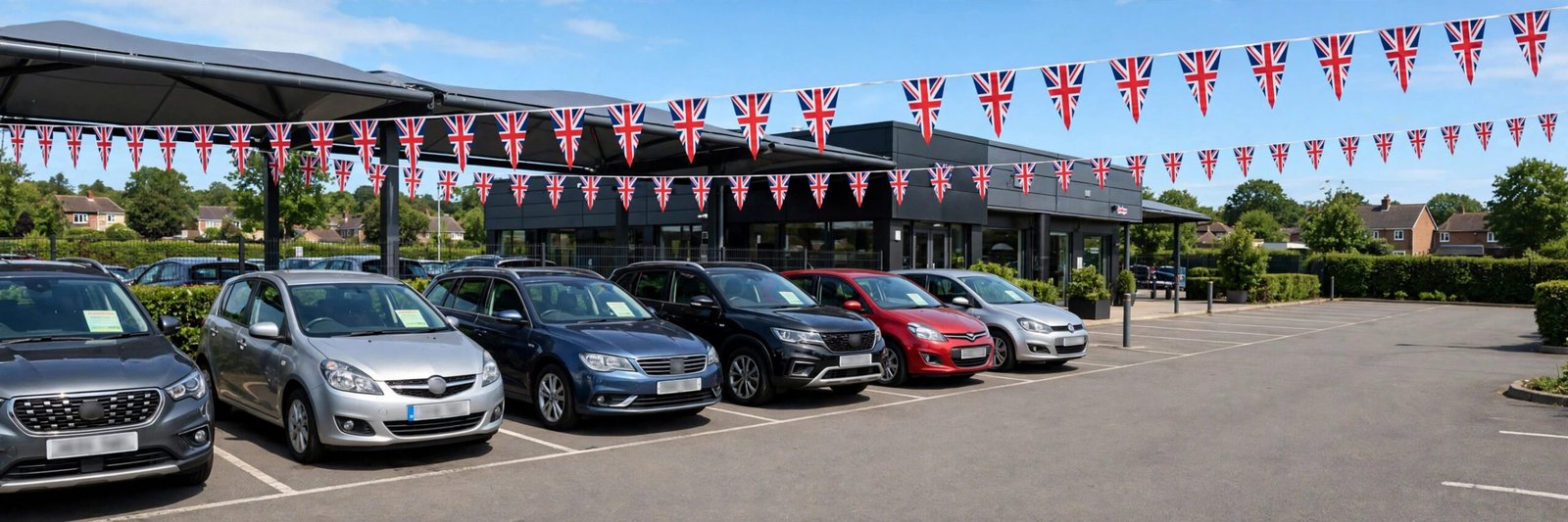
With new car prices having climbed relentlessly and depreciation hitting fresh motors harder than ever, the UK’s used car market has never been more tempting — or more treacherous. In 2026, a three-year-old car can cost 40–50% less than its new equivalent, but buyers face electric-vehicle uncertainty, ULEZ zones, higher interest rates on car finance and a market still settling after the pandemic-era price madness. So is buying used actually the smart move?
For most British drivers, the answer is yes — with caveats. This guide walks through the maths, the market, and the checks that separate a bargain from a money pit.
The case for buying used in 2026
The financial argument remains overwhelming. A new car typically loses 15–30% of its value in the first year and around half within three years. Buying at the three-to-five-year mark lets someone else absorb that hit while you get a modern car with contemporary safety kit, Apple CarPlay, and efficient engines. With the average new car in the UK now costing well over £30,000, the savings from buying used can easily exceed £10,000 — money that stays in your pocket or goes towards the savings goals that matter more.
The market has normalised
During 2021–2023, used car prices went haywire: shortages of new cars pushed two-year-old models to near-new prices. That distortion has largely unwound. Stock levels have recovered, prices have softened from their peaks, and buyers once again have negotiating power — particularly on petrol and diesel cars as the market tilts towards electric.
Petrol, diesel, hybrid or electric?
This is the biggest question facing used buyers in 2026, and the answer depends on your driving patterns.
Petrol: the safe default
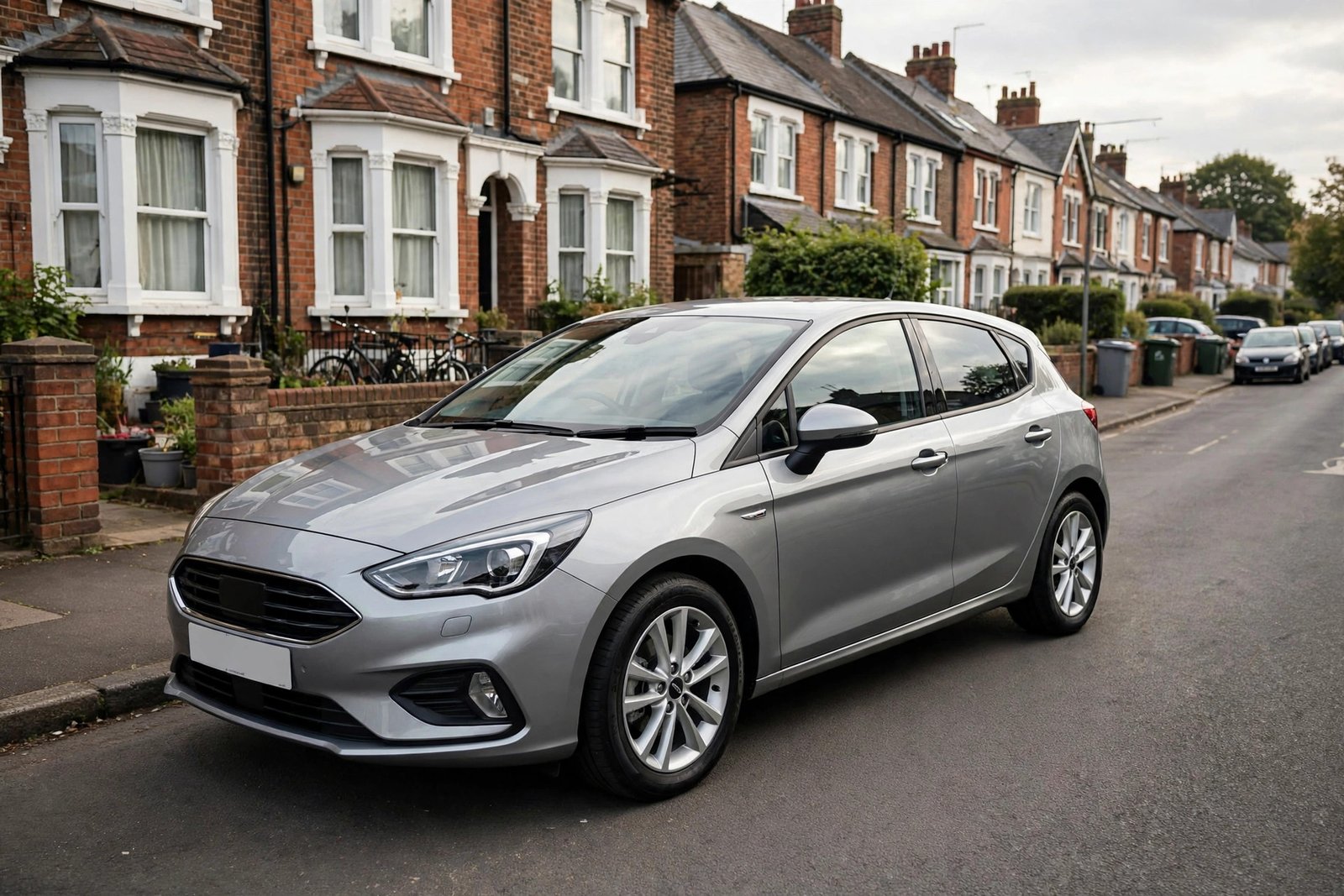
For lower-mileage drivers and those without home charging, a petrol car remains the pragmatic choice. They’re plentiful, cheap to buy used, and mechanics everywhere know how to fix them. Just check ULEZ/CAZ compliance if you drive in London, Birmingham, Bristol or other clean-air zones — most petrol cars from 2006 onwards (Euro 4) are compliant.
Diesel: only for high milers now
Diesel’s reputation never recovered from Dieselgate, and tightening emissions zones make older diesels a liability in cities. They still make sense for drivers covering 15,000+ miles a year, mostly on motorways — but resale values face long-term headwinds.
Electric: the depreciation bargain
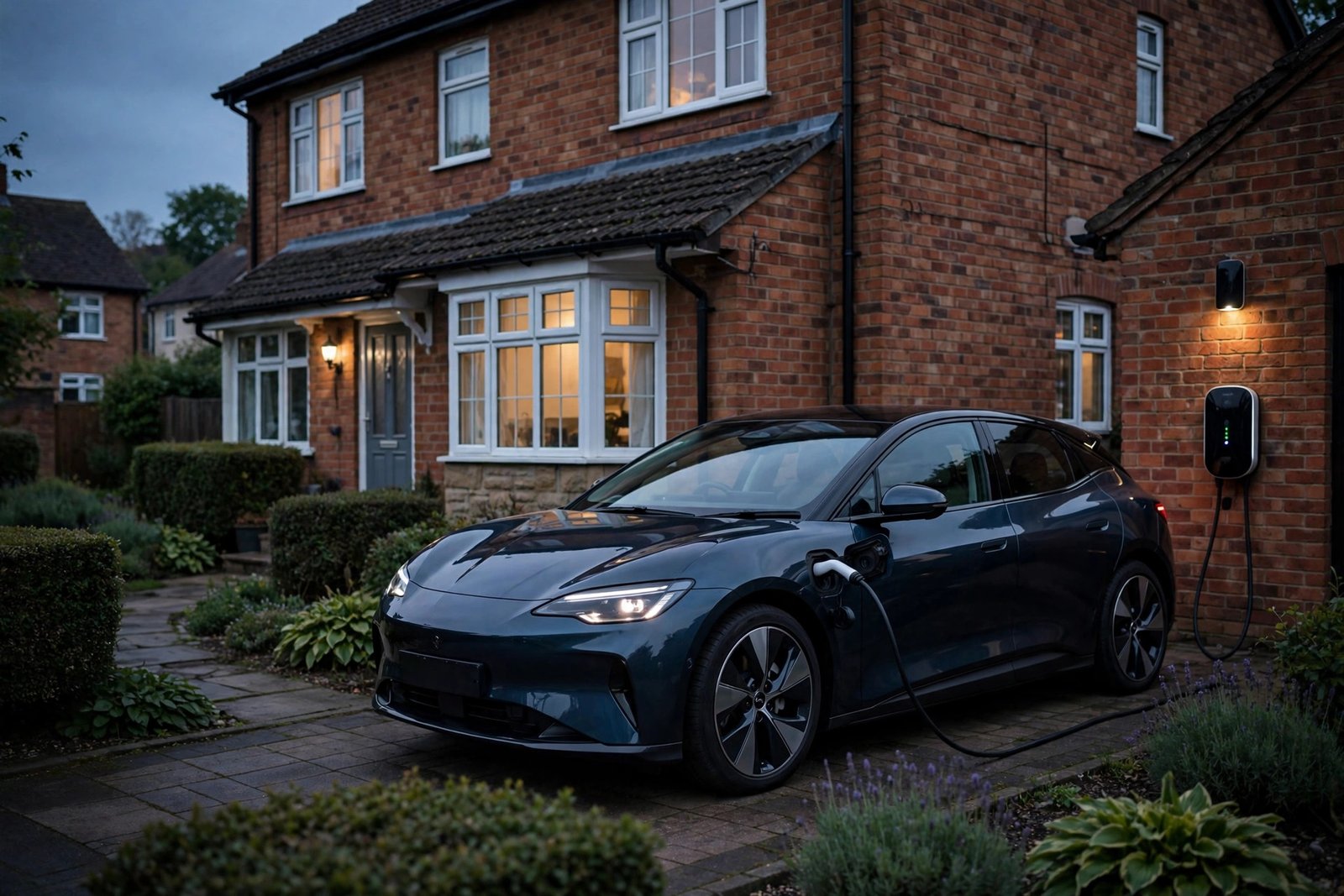
Here’s the market’s open secret: used EVs are astonishingly cheap right now. Fleet and lease returns have flooded the market, and nervousness about battery life has crushed prices — a three-year-old EV can cost half its original price. For buyers with home charging, a used EV can be the best value in the entire market. Battery degradation fears are largely overblown: data consistently shows modern EV batteries retaining 85–90%+ capacity after 100,000 miles. Just get a battery health check before buying, and be realistic about winter range.
How to avoid buying a lemon
The money you save buying used evaporates fast if you buy badly. These checks are non-negotiable:
Check the history
Run a vehicle history check (HPI-style) for outstanding finance, write-offs, mileage discrepancies and theft markers. It costs around £10–£20 and is the best money you’ll spend in the process. Also check the GOV.UK MOT history service — it’s free and reveals every MOT failure, advisory and recorded mileage going back years. A car that failed three MOTs on corrosion tells its own story.
Inspect in daylight, drive before you buy
Always view in daylight, check panel gaps and paint mismatches (accident clues), look underneath for rust, and insist on a proper test drive including motorway speeds. Cold-start the engine and listen. If the seller rushes you or refuses an independent inspection, walk away — there are thousands of other cars.
Consider an independent inspection
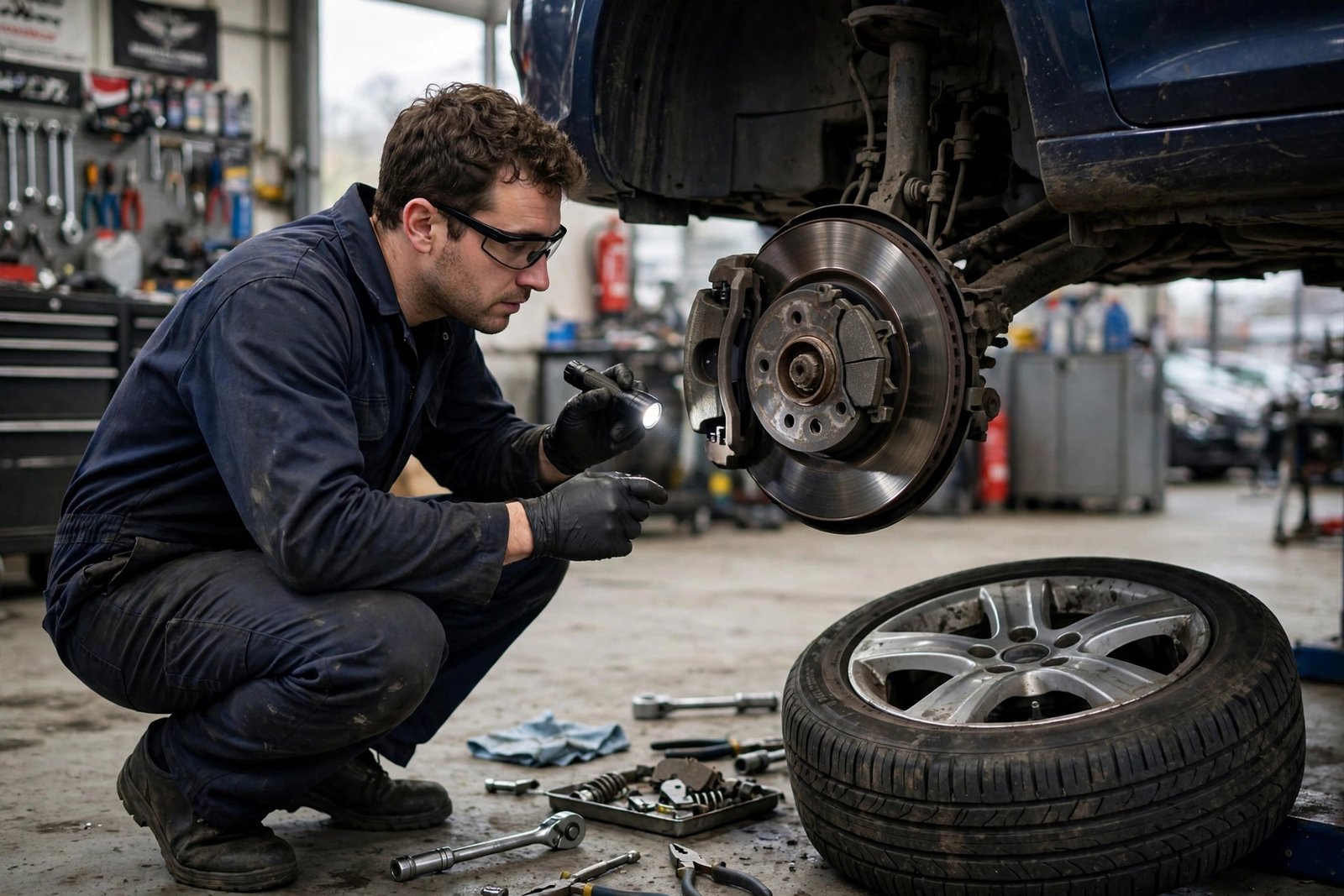
For cars over £8,000–£10,000, a professional inspection (from the RAC, AA or an independent specialist, typically £150–£250) is cheap insurance against a £2,000 gearbox surprise.
Where to buy: dealers, private or online?
Franchised dealers cost more but offer warranties and Consumer Rights Act protection. Independent specialists often combine keen prices with genuine expertise in a particular marque. Private sellers are cheapest but offer no comeback — fine for a £2,000 runaround, risky for £15,000. Online platforms (Cazoo-style services, manufacturer-approved used schemes) add convenience and return windows. Wherever you buy, the GOV.UK guide to buying a used vehicle sets out your legal rights clearly.
Finance: do the total-cost maths
With interest rates higher than the cheap-money era, PCP and HP deals need scrutiny. Compare the total amount payable — not just the monthly figure — against a bank loan or cash purchase. Dealers make margin on finance; an independent loan quote before you shop gives you leverage and a reality check.
Budget for the real cost of ownership
The purchase price is just the entry ticket. Insurance (get quotes before committing — group 30+ cars can shock), VED road tax, servicing, tyres and the inevitable repairs all add up. A realistic rule: budget 10–15% of the car’s value per year in running costs. Building this into a proper spending plan matters — see how to create a budget that actually works — because the “cheap” used car that needs £1,500 of work in month two is a classic British motoring tragedy.
Insurance, warranty and the paperwork
Two admin details catch out used buyers. First, insurance: get quotes before you commit — the same car can cost double to insure depending on your postcode, age and the insurer’s risk model. Cars in high insurance groups (powerful engines, expensive parts) can dwarf the purchase saving, so check the group rating during your shortlist phase, not after you’ve fallen in love. Second, warranty: dealer-sold cars come with at least a short warranty, and many offer 12-month extensions — read what they actually cover, because wear-and-tear exclusions are where most claims die. For private sales, consider a third-party warranty only if the car is complex (modern automatics, EVs); on simple petrol hatchbacks, a well-funded repair pot usually beats the warranty premium. Finally, the paperwork: V5C logbook in the seller’s name and address, service history (stamped book or digital records), two keys, and remember that “sold as seen” on a receipt doesn’t override your Consumer Rights Act protections when buying from a dealer.
The bottom line
Yes — buying a used car in 2026 is worth it for most UK drivers, and the value on offer, particularly in nearly-new EVs and three-year-old petrol cars, is excellent by historical standards. The market has normalised, choice is wide, and the depreciation curve does the heavy lifting for you. But the bargain only materialises if you buy carefully: history-check everything, inspect in daylight, test drive properly, and budget for ownership beyond the sticker price. Do that, and you’ll drive away with someone else’s depreciation funding your saving — which is exactly how smart car buying works. The free MoneyHelper guidance on buying cars is worth a read before you start viewing.
Frequently Asked Questions
What is the best age of used car to buy in the UK?
The sweet spot is typically 3–5 years old: the steepest depreciation is over, the car still has modern safety and tech, and plenty of warranty or service history remains. Balance purchase price against expected maintenance.
Are used electric cars a good buy in 2026?
Often yes — heavy depreciation has made 3-year-old EVs exceptional value. Check battery health, ensure you can charge conveniently (ideally at home), and verify realistic winter range for your needs.
How do I check a used car’s history for free?
The GOV.UK MOT history checker is free and shows all past MOT results, failures, advisories and mileages. For finance, write-off and theft checks you’ll need a paid HPI-style report (£10–£20).
Should I buy from a dealer or privately?
Dealers cost more but give you Consumer Rights Act protection and usually a warranty. Private sales are cheaper with no comeback — acceptable for cheap cars, risky for expensive ones.
Will diesel cars be banned in the UK?
No ban on existing diesels is planned, but clean-air zones increasingly charge or restrict older (pre-Euro 6, generally pre-2015) diesels, and resale values face long-term pressure. Check your local zone’s rules before buying.

Leave a Reply