
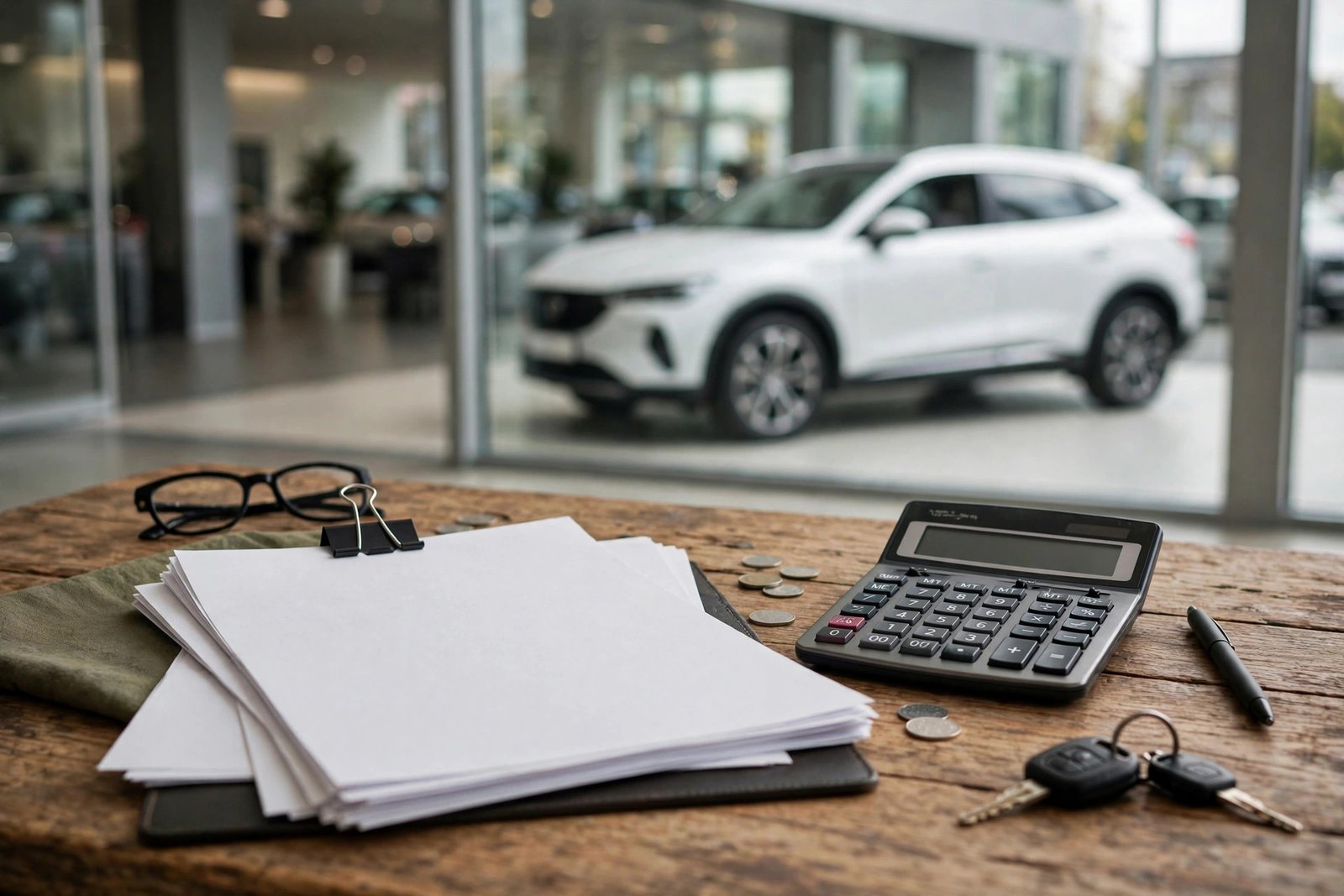
You’re in the dealership finance office, the new car’s smell still fresh, and the business manager slides another form across the desk: GAP insurance, £399. “Protects you if the car’s written off,” they say, with the gentle urgency of someone on commission. Should you buy it? For some financed cars in the UK, GAP insurance is genuinely smart protection. For others, it’s an expensive answer to a problem you don’t have. Here’s how to tell which camp you’re in.
What GAP insurance actually does
GAP (Guaranteed Asset Protection) covers the “gap” between what your motor insurer pays if your car is written off or stolen, and what you still owe on finance — or what you originally paid. Here’s why the gap exists: cars depreciate fastest in the first year (typically 15–25%), while your finance balance falls slowly. If your £20,000 car is written off after 18 months, your insurer pays market value — say £14,000 — but you might still owe £17,000 on finance. That £3,000 shortfall is yours to pay, for a car you no longer have. GAP insurance pays it.
There are several flavours: finance GAP (covers the shortfall to the settlement figure), return-to-invoice (pays back up to what you originally paid), and vehicle replacement (covers the cost of an equivalent new car). Return-to-invoice is usually the most useful for buyers who put down a decent deposit.
When GAP insurance makes sense
GAP is worth serious consideration when several of these apply:
- Small deposit, long term. If you put down under 15–20% and financed over 4–5 years, you’ll spend much of the term owing more than the car’s worth — the classic negative-equity zone where GAP earns its keep.
- High-depreciation cars. Luxury cars, large SUVs and EVs can shed 40–50% in three years. The faster the depreciation, the bigger the potential gap.
- PCP deals. PCP’s balloon structure means you build equity slowly; the guaranteed future value helps, but early in the term the gap can be substantial.
- You couldn’t absorb the shortfall. The real question: if your car were written off tomorrow and you owed £4,000 more than the payout, could you pay it while also needing a replacement car? If that scenario would wreck your finances, GAP is cheap peace of mind.
When it’s a waste of money
GAP is poor value when:
- You paid cash or put down a large deposit (30%+). With strong equity from day one, there’s no meaningful gap to insure.
- The car’s nearly paid off. In the final year of finance, the outstanding balance is usually below market value. Insuring a gap that doesn’t exist is pure profit for the seller.
- You drive a slow-depreciating car. Some cars (certain Toyotas, Porsches, sought-after classics) hold value so well the gap never materialises.
- The policy is overpriced. Dealer-sold GAP at £300–£500 is often 2–3x the price of identical cover bought online from a specialist (£100–£200 for three years). The product may be fine; the price isn’t.
Never buy it in the finance office
This is the most important practical advice: the FCA introduced rules giving buyers time to consider GAP purchases, precisely because finance-office selling was so aggressive. Dealer GAP is convenient and expensive. Online specialists — ALA, Direct Gap, and others — sell equivalent or better policies for a fraction of the price, and you can buy within weeks of purchasing the car (typically up to 60–90 days, sometimes longer).
When comparing policies, check: the maximum claim limit (£10,000–£25,000 typical — enough for most gaps), the term (match it to your finance term), whether it covers your insurance excess (good ones pay up to £250–£500 of it), and exclusions (negative equity carried from a previous finance deal is usually excluded; business use may need a commercial policy). As with any insurance decision, understanding how insurance products differ helps you compare like with like.
The maths: a worked example
Car price: £22,000. Deposit: £2,000. Amount financed: £20,000 over 4 years at 9% APR. After 18 months you’ve paid roughly £8,500, but mostly interest — you still owe about £14,500. The car, meanwhile, has depreciated to roughly £15,000–£16,000. Gap: small or none. But change the deposit to £500 and stretch to 5 years: after 18 months you owe ~£17,500 against a £15,500 car — a £2,000 gap, for a policy that cost £150 online. That’s the scenario GAP exists for. Run your own numbers with your deposit, term and the car’s expected depreciation — the MoneySavingExpert insurance guides are a good starting point for understanding the market.
Alternatives worth considering
GAP isn’t the only way to manage the risk. A bigger deposit shrinks the gap directly. Shorter finance terms build equity faster. Choosing slower-depreciating cars reduces the exposure. And some comprehensive motor policies include new-car replacement in the first 12 months — check yours before buying GAP, because that first year is when the gap is typically largest. Keeping your overall finances resilient with a clear view of your insurance costs matters too — GAP is one piece of the protection puzzle, not the whole thing.
What happens if you actually need to claim
It’s worth understanding the claims process before you buy, because GAP claims have more paperwork than most. After a write-off or theft, your motor insurer settles first — GAP only pays once that settlement is confirmed, and you’ll need to provide the insurer’s settlement letter, your finance agreement, and proof of the vehicle’s purchase price. Claims typically take 2–4 weeks to pay out. One common frustration: if your motor insurer’s valuation seems low, challenge it before accepting, because the GAP payout is calculated from that figure — every £500 you negotiate from the motor insurer is £500 less the GAP policy needs to cover, but a low accepted valuation can also push you against the policy’s claim limit. Keep copies of everything from day one: the purchase invoice, the finance agreement and the GAP policy documents, ideally stored digitally where you can find them in a stressful week.
Conclusion
Should you get GAP insurance on a financed car in the UK? If you put down a small deposit, financed over a long term, and couldn’t comfortably absorb a few thousand pounds of shortfall if the car were written off — yes, it’s sensible, affordable protection. Buy it online from a specialist, not in the finance office, match the term to your finance, and check it covers your excess. If you paid cash, put down a large deposit, or are near the end of your term — save your money. GAP insurance isn’t a scam, but dealer-sold GAP at dealer prices comes close. Buy smart, or don’t buy at all. If a GAP claim is ever mishandled, the Financial Ombudsman Service offers free, independent dispute resolution for insurance complaints.
Frequently Asked Questions
How much does GAP insurance cost in the UK?
£100–£200 for three years from online specialists; £300–£500 from dealers for equivalent cover. Always compare online before accepting a dealer’s quote.
Can I buy GAP insurance after buying the car?
Yes — most specialists let you buy within 60–90 days of purchase (some longer). You don’t have to decide in the dealership finance office, despite what you may be told.
Does GAP insurance cover my insurance excess?
Good policies do — typically up to £250–£500 of your motor insurance excess. Check this specifically when comparing, as cheaper policies sometimes exclude it.
Is GAP insurance worth it on a PCP deal?
Often yes, especially early in the term when the outstanding finance can exceed the car’s value. The balloon payment structure means equity builds slowly, so the gap risk persists longer than with HP.

Leave a Reply