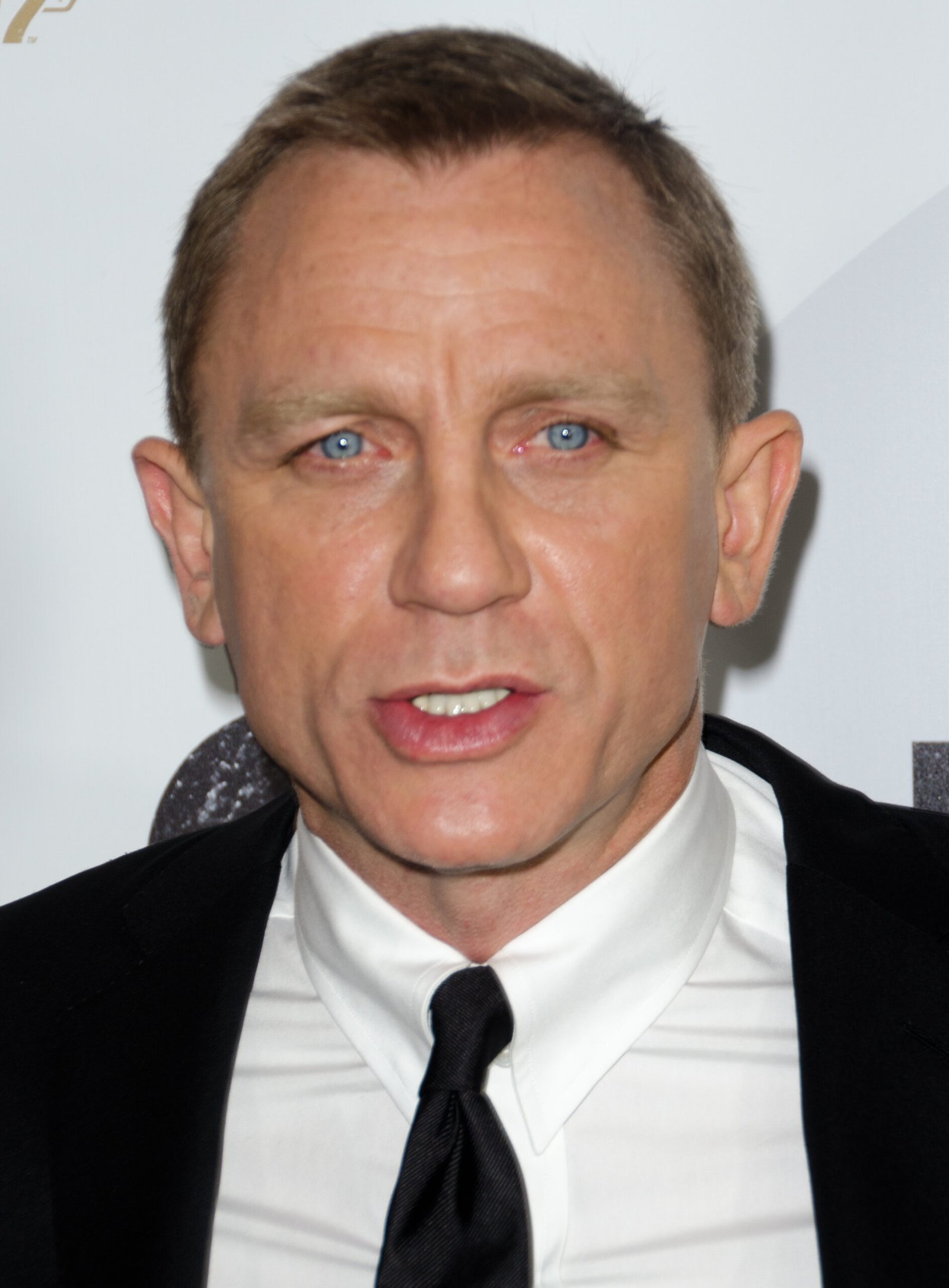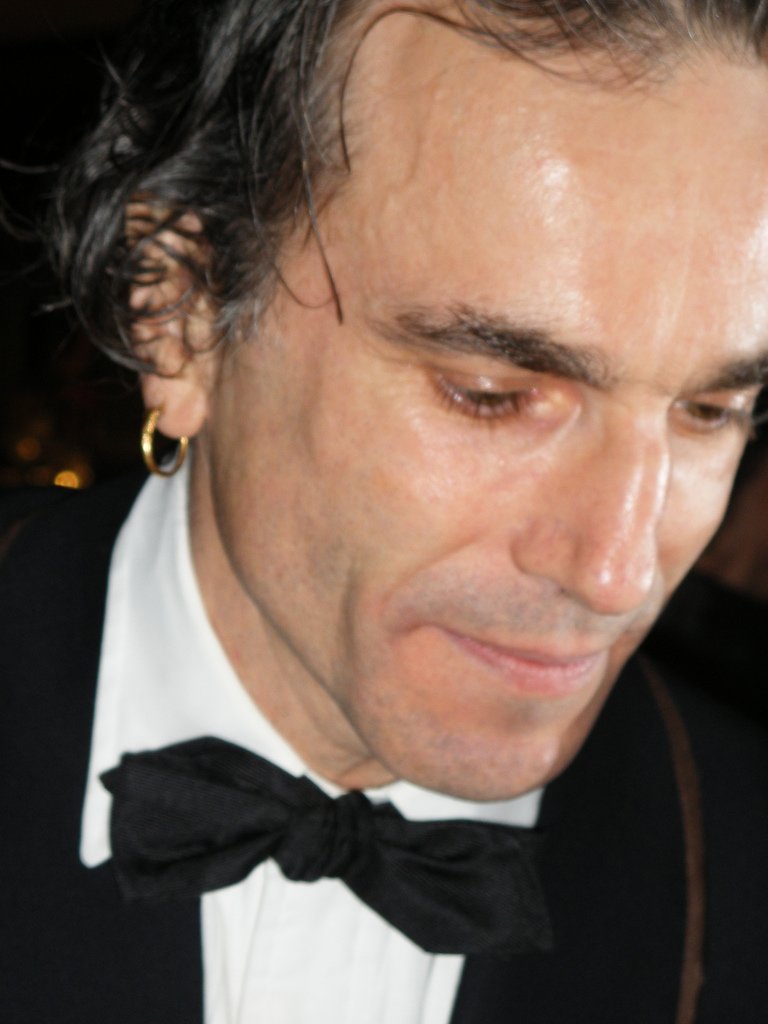
From Career to Fortune: Daniel Day-Lewis’ Net Worth, Age and Wife
The Only Actor With Three Best Actor Oscars
Daniel Day-Lewis holds a record no other actor shares: he is the only performer to have won the Academy Award for Best Actor three times. Around that record sits a reputation of a particular kind — for the completeness with which he prepares for and inhabits a part, and for the long silences between parts, during which he has worked as a shoemaker in Florence and lived quietly in Ireland, giving no interviews and making no announcements.
Those silences have twice been described as retirements. The second, announced in 2017, held for seven years, and then ended in the plainest possible way: his son Ronan wrote and directed a production, Anemone, and his father came back to act in it. The production had its world premiere at the New York Film Festival in 2025 and was released that October. Speaking to Rolling Stone in September 2025, he said he had never intended to retire and called his 2017 remarks “grandiose”. This profile sets out the record in order — the early years, the work, the family, the facts in full, and the money — with the retirements and the return treated as the history they now are.
Daniel Day-Lewis in Brief: Kensington Birth, Three Oscars
| Daniel Day-Lewis in Brief: Kensington Birth, Three Oscars | Details |
|---|---|
| Full Name | Daniel Michael Blake Day-Lewis |
| Born | 29 April 1957, Kensington, London |
| Birthday | 29 April |
| Age | 69 |
| Height | 6 ft 1 in (1.86 m) |
| Weight | No reliable published figure exists |
| Wife | Rebecca Miller (married 13 November 1996) |
| Children | Three sons — Gabriel-Kane Day-Lewis (born 9 April 1995), Ronan Cal Day-Lewis (born 14 June 1998) and Cashel Blake Day-Lewis (born May 2002) |
| Parents | Cecil Day-Lewis and Jill Balcon |
| Family | Wife Rebecca Miller; sons Gabriel-Kane, Ronan and Cashel; homes in Manhattan and County Wicklow |
| Movies and TV Shows | Includes My Beautiful Laundrette (1985), My Left Foot (1989), The Last of the Mohicans (1992), In the Name of the Father (1993), Gangs of New York (2002), There Will Be Blood (2007), Lincoln (2012), Phantom Thread (2017) and Anemone (2025) |
| Nationality | British and Irish (dual citizenship; Irish citizenship taken in 1993) |
| No verified personal account | |
| Net Worth | $40 million — Celebrity Net Worth |
For his weight, no reliable published figure exists, so the table says so plainly rather than repeating a number no authority stands behind. The Instagram row records that he maintains no verified personal account.
Born in Kensington, Raised in Greenwich, Son of a Laureate
Daniel Michael Blake Day-Lewis was born on 29 April 1957 in Kensington, London, and grew up in Greenwich. Some secondary sources misplace his birth in Greenwich; Kensington is where he was born, and Greenwich is where he was raised. His father was Cecil Day-Lewis, the poet who became Poet Laureate in 1968 and who also wrote detective fiction under the name Nicholas Blake. His mother was Jill Balcon, an actress whose own father, Michael Balcon, had run Ealing Studios. It was a literary and theatrical family of a particular kind: distinguished, complicated and, after his father’s death in 1972, when Daniel was fifteen, unsettled. He has described his younger self as unhappy at school and in trouble often enough that acting, when it came, arrived as a discipline as much as a vocation.
He was educated at Sevenoaks School and then at Bedales, and trained at the Bristol Old Vic Theatre School. His first screen appearance came uncredited in Sunday Bloody Sunday in 1971, as a teenager. Through the late 1970s and early 1980s he worked in theatre, including with the Royal Shakespeare Company, and took small screen parts, in Gandhi (1982) and The Bounty (1984) among them. The apprenticeship was long and, by modern standards, almost entirely out of public view: he was 28 before the two performances of 1985 that changed his standing arrived within months of each other. His biography since then is a short list of productions separated by long preparations, which is precisely how he wanted it.
My Left Foot, There Will Be Blood, Lincoln — and Two Retirements
1985–1989: My Beautiful Laundrette, A Room with a View and My Left Foot
In 1985 he appeared as the streetwise Johnny in My Beautiful Laundrette and, in the same season, as the priggish Cecil Vyse in A Room with a View — two performances so unlike each other that critics treated the contrast itself as the story. The Unbearable Lightness of Being (1988) cast him as a Czech surgeon, a part for which he learned Czech and remained in character through the shoot, an early sign of the method that would define him. My Left Foot (1989), in which he played Christy Brown, the writer and artist with cerebral palsy, brought him his first Academy Award for Best Actor. He spent much of that production in a wheelchair and was carried, by his own later account, to and from the set; the performance established both his reputation and the pattern of total preparation that followed it.
1990–1997: The Last of the Mohicans, In the Name of the Father and the Florence Years
The Last of the Mohicans (1992) made him, improbably, an action leading man, after months of physical training and wilderness preparation. The Age of Innocence (1993), for Martin Scorsese, and In the Name of the Father (1993), in which he played Gerry Conlon, wrongly convicted of a pub bombing, brought further Academy Award nominations; for the latter he lost a considerable amount of weight and spent time in a cell to understand confinement. The Crucible (1996) and The Boxer (1997), for which he trained for two years as a boxer, closed the decade. Then he stopped. Between 1997 and 2000 he lived in Florence and apprenticed himself to a master shoemaker, Stefano Bemer, making shoes by hand and giving no interviews about acting at all. The first retirement lasted until Scorsese persuaded him back.
2002–2012: Gangs of New York, There Will Be Blood and Lincoln
Gangs of New York (2002) cast him as Bill the Butcher, a performance of menace built, characteristically, on craft: he trained as a butcher and a knife-thrower for the part, and headlined the production opposite Leonardo DiCaprio — readers following that pairing may also want Leonardo DiCaprio’s net worth profile, which covers his co-star’s own career. Colleagues from that production have described a set organised, in part, around his remaining in character, and the accounts have hardened into legend; what is verifiable is the result on screen, a performance that carried a long and difficult production and brought him another Academy Award nomination. The Ballad of Jack and Rose (2005), written and directed by his wife, was a smaller, personal production. There Will Be Blood (2007), Paul Thomas Anderson’s study of an oil prospector, Daniel Plainview, brought his second Academy Award for Best Actor and is the performance most often placed at the top of lists of the century’s best. The musical Nine (2009) was a rare misjudgement, received coolly. Lincoln (2012), for Steven Spielberg, brought the third Academy Award: his Lincoln, quiet, stooped and wry, was the product of a year’s preparation, and the production took more than $275 million worldwide. He was knighted in the 2014 Birthday Honours for services to drama.
2013–2026: Phantom Thread, Retirement and Anemone
His next production was also announced as his last. Phantom Thread (2017), in which he played the couturier Reynolds Woodcock for Anderson again, brought a further Academy Award nomination. In June 2017, before its release, his representative announced that he would no longer work as an actor. The retirement held for seven years, spent largely in Ireland. In October 2024 it was announced that he would star in Anemone, co-written with his son Ronan Day-Lewis and directed by Ronan, with Sean Bean and Samantha Morton also in the cast. The production premiered at the New York Film Festival in 2025 and was released that October; it is a family drama set in the north of England, concerned with fathers, sons and the weight the past leaves behind. Speaking to Rolling Stone in September 2025, he said he had never intended to retire, called his earlier remarks grandiose, and said his son had made it plain the production would not happen without him. Whether further work follows is, as ever with him, unannounced.
Parents Lost, a Wife, and a Family Steeped in Film
His father died in 1972; his mother, Jill Balcon, died in 2002. The family background — a laureate father who wrote thrillers under another name, a mother from one of the founding families of the studio era — is the sort that might have produced a very public actor. It produced the opposite. From 1989 to 1994 he was in a relationship with the actress Isabelle Adjani. Their son, Gabriel-Kane Day-Lewis, was born on 9 April 1995 in New York, some months after the relationship had ended; he spent his early years in Paris with his mother and his teens partly in Ireland with his father, and has worked as a model and musician.
In 1996, while working on The Crucible, he visited the home of the playwright Arthur Miller and met Miller’s daughter, the writer and director Rebecca Miller. They married on 13 November 1996, and she has now been his wife for thirty years. They have two sons: Ronan Cal Day-Lewis, born on 14 June 1998, now a painter and the director of Anemone, and Cashel Blake Day-Lewis, born in May 2002, a violinist and composer. The family divides its time between homes in Manhattan and at Annamoe, in County Wicklow, where he has lived since the 1990s and where he is a notably private resident. His nationality, which is part of the record this profile is asked to set out, is dual: he holds British and Irish citizenship, the Irish citizenship taken in 1993 and held alongside the British for more than three decades. He has no verified personal Instagram account and gives interviews rarely — a handful around Anemone in 2025, after years of silence. His working methods, much discussed by others, are described by him in plain terms: preparation, time, and staying with a character because the alternative feels like cheating the audience.
An October 2025 Update, With Outside Trackers Noted and Not Adopted
Celebrity Net Worth puts Daniel Day-Lewis’s net worth at $40 million, in a figure updated on 6 October 2025. The disagreement is recorded here without being adopted: trackers outside the sources this profile relies on put the figure higher, at $50 million to $60 million, and no total from Forbes or the Sunday Times Rich List was found to support either number independently. The estimate carried here is the tracker’s $40 million, attributed as such.
By the standards of actors of his standing, the figure is modest, and the reasons are visible in the filmography: between 1998 and 2017 he made six productions. His earnings were concentrated in a small number of leading roles, several of them — There Will Be Blood, Phantom Thread — in productions of moderate budget, and there were no franchise participations of the kind that build very large fortunes. Reported salaries across his career are earnings, not wealth, and are not added up here as if they were the same thing. He has no production company of public significance, no endorsement contracts of record and no business ventures beyond his work. During the Florence years he earned a shoemaker’s apprentice wage, a fact he has never presented as anything other than what it was: a man learning a trade he admired. No inventory of his property is offered in this profile, and the subject is not pursued beyond what is necessary to place the family: homes in Manhattan and in County Wicklow, the latter held for many years, are matters of public record, and their values have not been published in any form this profile can rely on.
Fewer Than Thirty Leading Roles Across Five Decades
At 69, Day-Lewis occupies a position no other living actor quite shares: a career of fewer than thirty leading productions across five decades, three Academy Awards for Best Actor, two retirements and one return, made for the plainest of reasons — his son asked him. Anemone may prove to be a coda or a reopening; on his own account in 2025, even he had not settled the question in advance.
The $40 million estimate attached to that record is best read as the measure of how little the record was ever organised around money. The performances — Christy Brown, Daniel Plainview, Abraham Lincoln — are the asset the public actually holds, and they were bought with time rather than with volume: long preparations, few productions, and a working life arranged so that the gaps in it were his to choose.