
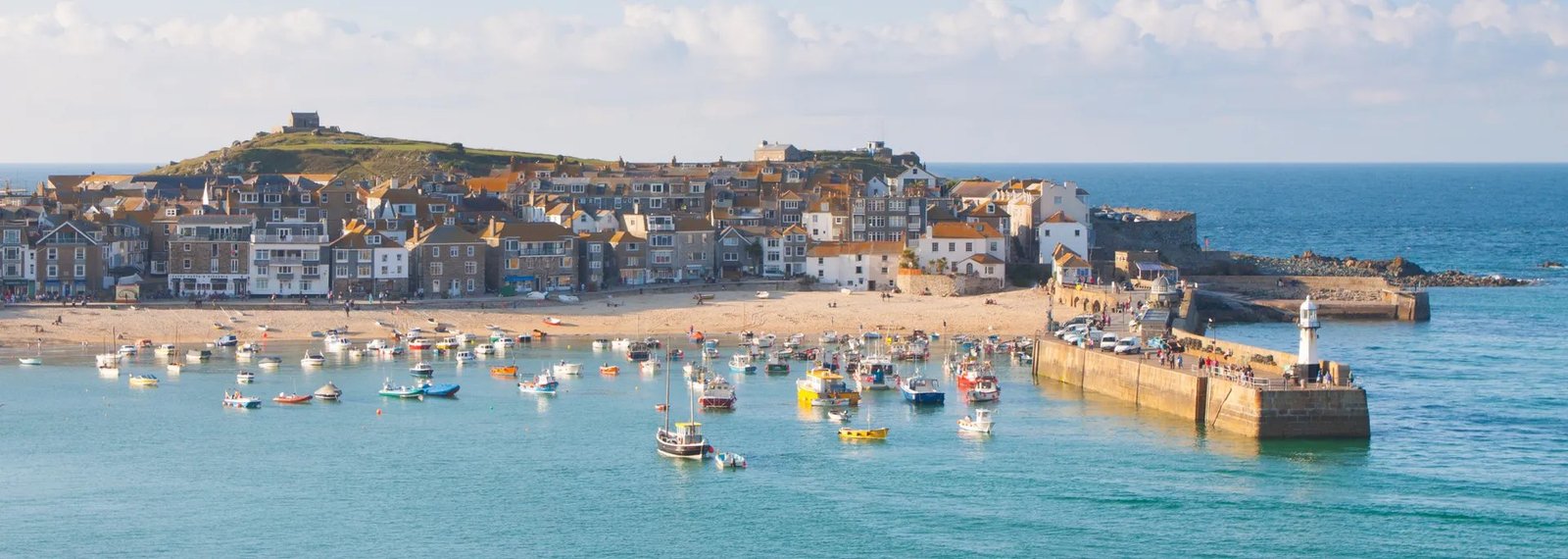
Cornwall has a way of ruining other holidays for you. Once you’ve watched the sun drop into the Atlantic from a clifftop near Land’s End, or eaten a pasty still warm from a St Ives bakery, nowhere else quite measures up. If you’re wondering what the best things to do in Cornwall are, the honest answer is: more than you can fit into one trip. But this guide covers the essentials — the unmissable classics plus the quieter spots the locals love.
Hit the beaches (obviously, but choose wisely)
Cornwall has over 400 beaches, and they’re not all equal. Here’s my shortlist:
- Porthcurno — the one that looks like the Caribbean. Turquoise water, white sand, and the extraordinary Minack Theatre carved into the cliffs above it.
- Fistral Beach, Newquay — the UK’s surf capital. Even if you never stand up, watching the surfers at sunset with fish and chips is a perfect evening.
- Porthminster, St Ives — sheltered, golden, and a two-minute walk from the town’s galleries and cafés. Ideal for families.
- Kynance Cove — the postcard. Go at low tide when the rock stacks are exposed, and go early — the car park fills by 10am in summer.
- Whitsand Bay — three miles of wild, empty sand near Rame Head. Bring a picnic; there are no facilities, which is exactly the point.
Walk the South West Coast Path
You don’t need to hike the whole 630 miles. Just pick a section. The stretch from St Ives to Zennor is my favourite walk in England — rugged cliffs, old tin mines, and a pub (the Tinners Arms) that’s been serving since the 1200s. The Zennor to St Ives section takes about 3–4 hours and the bus back is easy. Wear proper shoes; the path is no joke after rain.
Explore the towns, each with its own personality
- St Ives — the famous one, and famous for a reason. The Tate St Ives, the Barbara Hepworth Garden, and light that has drawn painters for a century. Yes, it’s busy in August. Go in May or September instead.
- Padstow — Rick Stein’s empire, but also a working fishing harbour with excellent crab sandwiches and the Camel Trail cycle path to Wadebridge.
- Fowey — Daphne du Maurier country. Smaller, quieter, impossibly pretty, with great pubs and a brilliant bookshop.
- Mousehole — tiny, magical, and home to the famous Christmas harbour lights if you visit in December.
- St Mawes and Falmouth — take the little ferry between them across the Fal estuary. Falmouth has the National Maritime Museum and a proper foodie scene.
If you love the South West’s gentler side too, the best time to visit the Cotswolds pairs beautifully with a Cornwall trip for a two-centre UK holiday.
Do the big attractions properly
- The Eden Project — yes, it’s touristy. It’s also genuinely awe-inspiring, especially the Rainforest Biome. Book online in advance for the discount, and go on a weekday.
- The Minack Theatre — see a play here if you possibly can. Watching theatre with the ocean as the backdrop is unforgettable. Day visits are lovely too.
- Tintagel Castle — Arthurian legend, a dramatic footbridge, and sea views that don’t look real. English Heritage members get in free.
- St Michael’s Mount — check the tide times. Walking the causeway at low tide and taking the boat back at high tide is the full experience.
- The Lost Gardens of Heligan — 200 acres of gardens, jungle valley and farm. Give it a full day; half a day feels rushed.
Eat your way around the county
Cornish food is having a moment, and it deserves it. Beyond the obvious pasty (get one from an actual bakery, not a chain — the difference is enormous):
- Fresh crab and lobster from harbour-side shacks
- Cornish ice cream — Kelly’s and Roskilly’s are the local legends
- Seafood restaurants in Padstow, St Ives and Falmouth
- Cream teas done properly — jam first, then cream. This is Cornwall, not Devon. Get it right.
- Local cider and Cornish craft beer in harbour pubs
Try something active
Cornwall is England’s adventure playground. Surf lessons at Newquay or Polzeath start from around £35 for a group session. Coasteering — scrambling along cliffs, jumping into the sea — is the most fun you can have in a wetsuit. Sea kayaking around the coast reveals caves and coves you’d never see from land. And the Camel Trail offers 18 miles of flat, traffic-free cycling perfect for families.
Where to stay: picking your base
Cornwall works best as a one-base holiday rather than a road trip — the roads are slow and you’ll waste half your trip packing. St Ives suits art lovers and foodies, Newquay suits surfers and families who want everything on the doorstep, and Falmouth is the best all-rounder with its restaurants, beaches and boat trips. For a quieter escape, look at the Lizard Peninsula or the area around Fowey — both feel a world away from the summer crowds. Book self-catering cottages well ahead for school holidays; some of the best ones are reserved a year out. And whatever you do, check the parking situation before you book — in towns like St Ives and Mousehole, a cottage without allocated parking can mean a 20-minute hike from the nearest car park with all your beach gear.
When to go and how to get around
May, June and September are the sweet spot — warm enough to swim (if you’re brave), quiet enough to park, cheap enough to stay somewhere nice. August is glorious but packed and pricey; book accommodation six months ahead if you must go then. Winter Cornwall is windswept and dramatic, with empty beaches and cosy pubs — just don’t expect to sunbathe.
You’ll want a car. Public transport exists but it’s slow, and the best bits of Cornwall are the bits the bus doesn’t reach. If you’re flying into Newquay airport, sort your onward travel in advance — our guide to getting from the airport to the city centre cheaply has tactics that work for regional airports too.
For official inspiration, Visit Cornwall has excellent itineraries, and the National Trust’s Cornwall pages list the best coastal walks and historic houses.
The takeaway
The best things to do in Cornwall aren’t a checklist to race through — the county rewards slowing down. Pick one base, explore its corner properly, eat well, walk the cliffs, and leave time for the beach you stumble across by accident. That’s the Cornwall that keeps people coming back year after year, and it’s the one you’ll remember.



Leave a Reply