
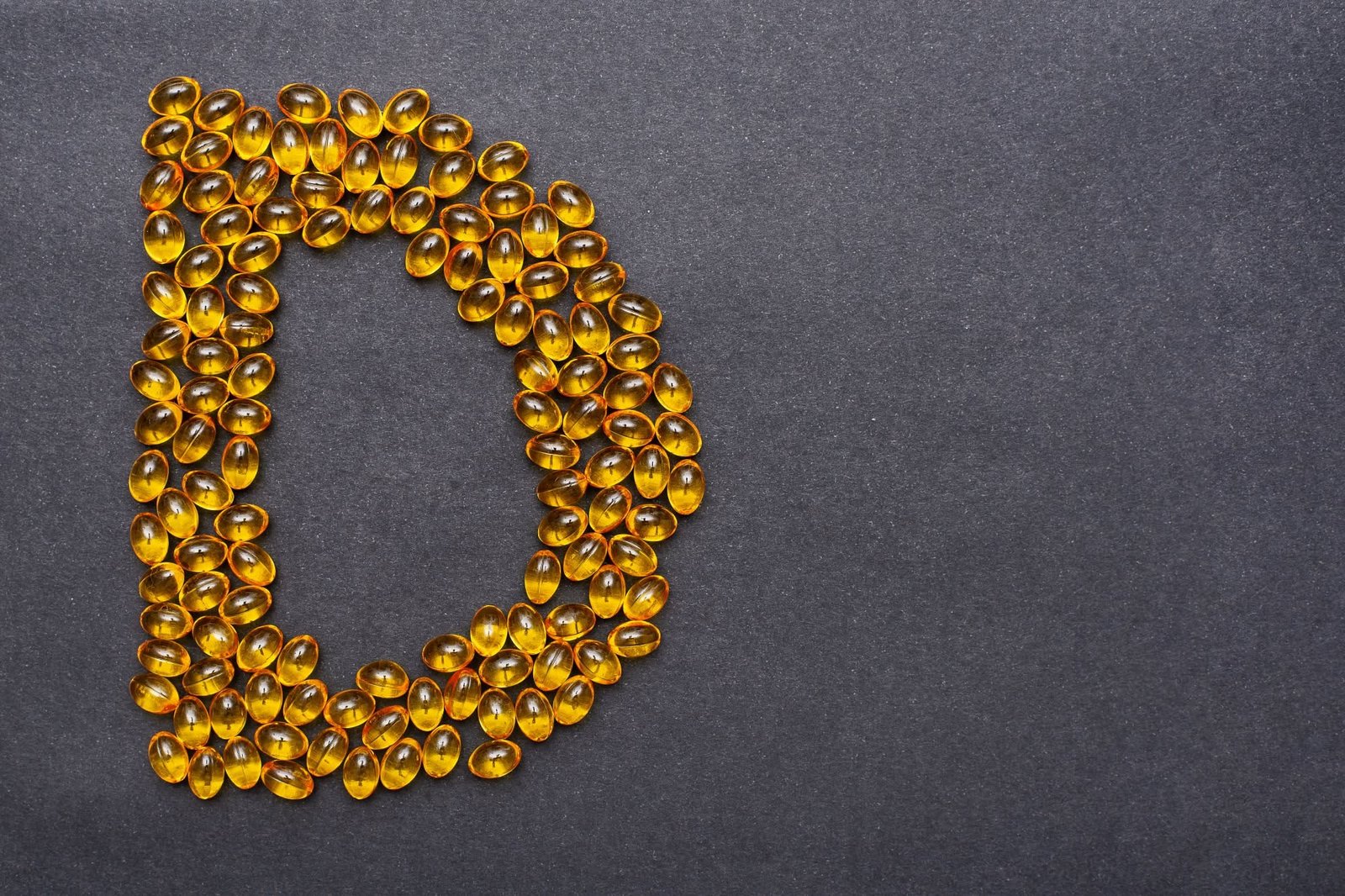
British winter is a nutritional ambush. From October to March the sun is too weak for vitamin D synthesis, fresh produce gets expensive and uninspiring, and everyone around you is coughing. So what are the best vitamins to take in the UK winter? The honest answer is shorter than the supplement industry wants: for most people, it’s vitamin D and that’s basically it — plus a hard look at your diet before you buy anything else.
What are the Best Vitamins to Take in the UK Winter — Vitamin D: the one almost everyone needs
This is the standout. The UK government’s Scientific Advisory Committee on Nutrition reviewed the evidence and concluded that everyone in Britain should consider taking a daily 10-microgram (400 IU) vitamin D supplement from October to early March. The NHS repeats this advice plainly: our winter sun simply can’t do the job, and food sources (oily fish, egg yolks, fortified spreads) rarely make up the gap.
Why does it matter? Vitamin D is essential for bone health and muscle function, and there’s reasonable evidence linking deficiency to increased susceptibility to respiratory infections — relevant in exactly the season we’re discussing. True deficiency is remarkably common in the UK; studies have found a significant proportion of adults are deficient or insufficient by late winter.
Practical notes: D3 (cholecalciferol) is the form to buy — it’s the same form your skin makes. Any supermarket or pharmacy own-brand is fine; you don’t need the £25 boutique version. Take it with food containing some fat for better absorption. And if you have dark skin, cover up, or spend winter entirely indoors, you’re at higher risk of deficiency and the supplement matters even more.
What about a multivitamin?
A basic multivitamin is reasonable winter insurance if your diet is patchy — and let’s be honest, many winter diets are. It won’t supercharge anything, but it fills gaps. What it won’t do: prevent colds (despite the marketing), give you energy (that’s sleep and food), or compensate for a diet of toast and biscuits. Think of it as a safety net, not a strategy.
One caution: more is not better. Fat-soluble vitamins (A, D, E, K) accumulate in the body, and megadoses can cause real harm — vitamin A toxicity from high-dose supplements is a genuine medical issue. Stick to roughly 100% of the daily reference intake, not 1000%. The expensive “mega” formulations are marketing, not medicine.
The ones worth considering (conditionally)
- Iron — only if you’re deficient or at risk (heavy periods, vegetarian/vegan diet, fatigue). Don’t supplement blindly; too much iron is harmful. If you’re constantly tired, read about iron deficiency symptoms and get a blood test before buying pills.
- Vitamin B12 — worth considering if you’re vegan or vegetarian, as B12 comes almost entirely from animal products. Deficiency creeps up over years and causes fatigue and neurological symptoms.
- Vitamin C — you almost certainly get enough from food (one orange covers the daily need). It won’t prevent colds, though it may shave a little off their duration. Supplements are unnecessary for most people.
- Zinc — important for immunity, but deficiency is uncommon in people eating a varied diet. Meat, shellfish, nuts and seeds cover it.
- Omega-3 — not a vitamin, but commonly asked about. If you eat oily fish weekly, you’re covered. Algae-based supplements exist for non-fish-eaters.
What the evidence doesn’t support
Let’s clear the shelves: “immune boosting” blends, high-dose vitamin C, echinacea, elderberry gummies, and most “winter wellness” formulations have weak or absent clinical evidence for preventing illness in healthy people. They’re expensive urine with good branding. The supplement industry thrives on winter anxiety — don’t fund it unnecessarily.
What actually supports your immune system through winter is the unglamorous quartet: sleep, varied food, movement, stress management. No pill replaces those, and anyone selling you one is selling you something.
Eat first, supplement second
Before buying anything beyond vitamin D, audit your plate. Are you eating enough fruit and veg daily? Getting protein at each meal? Eating oily fish, eggs, nuts, beans? A week of genuinely good eating does more for your micronutrient status than a month of mediocre supplements — because food delivers nutrients in forms and combinations your body actually uses, alongside fibre and phytonutrients no pill contains.
Frozen vegetables deserve a special mention: they’re cheap, they’re frozen at peak freshness (often more nutritious than “fresh” veg that’s sat in transit for a week), and they make winter eating vastly easier. A bag of frozen berries in porridge every morning is a legitimate nutritional strategy.
Should you get your vitamin D tested?
Given how common deficiency is, should you get a blood test? The NHS position is pragmatic: routine testing isn’t recommended for everyone, because the advice is the same regardless — supplement in winter. Testing is reserved for people with symptoms of deficiency (bone pain, muscle weakness), conditions affecting absorption (coeliac disease, Crohn’s, certain kidney/liver conditions), or those at high risk who aren’t supplementing.
That said, private vitamin D tests are widely available (£30–£50, finger-prick kits by post), and there’s a case for testing if you’re curious whether your supplementation is working or you suspect deficiency despite supplementing. The result categories: below 25 nmol/L is deficient, 25–50 is insufficient, above 50 is sufficient. If you’re deficient, GPs typically prescribe high-dose vitamin D (a loading course) to rebuild levels quickly, then maintenance dosing.
Who’s at highest risk? Beyond the general population: people with dark skin (more melanin = less vitamin D synthesis — and the UK’s Black and South Asian populations have markedly higher deficiency rates), people who cover their skin for cultural reasons, the housebound or care-home residents, night-shift workers, and anyone who simply never sees daylight between October and March (the office-to-home-in-darkness lifestyle). If that’s you, supplementation isn’t optional advice — it’s essential.
Can you get vitamin D from food alone? Honestly, barely. The richest sources: oily fish (salmon, mackerel, sardines — a portion gives roughly half the daily target), egg yolks (small amounts), red meat and liver (modest), fortified foods (some cereals, plant milks and spreads are fortified — check labels). Mushrooms exposed to sunlight contain some. But even a perfect diet rarely reaches 10 micrograms daily without oily fish twice a week and fortified foods. For most people, diet contributes 2–4 micrograms — the supplement covers the rest. This is why the official guidance recommends supplements rather than dietary changes: it’s a sunlight problem, not a food problem.
Summer strategy. From late March to September, brief sun exposure (10–15 minutes midday on arms/legs, without burning) lets most light-skinned people make enough vitamin D. Darker-skinned people need longer. The NHS advice balances this against skin cancer risk — short, sensible exposure, never burning. But don’t assume summer fixes everything: if you work indoors all day and cover up, you can be deficient year-round. When in doubt through winter, supplement — it’s cheap, safe at recommended doses, and the evidence for benefit is solid.
The practical takeaway
For UK winter: take 10 micrograms of vitamin D3 daily from October to March. Consider a basic multivitamin if your diet is patchy, iron or B12 only if you have reason to suspect deficiency (get tested), and skip the expensive immune blends. Spend the money you save on better food and a decent winter coat — both will do more for your health.




Leave a Reply