
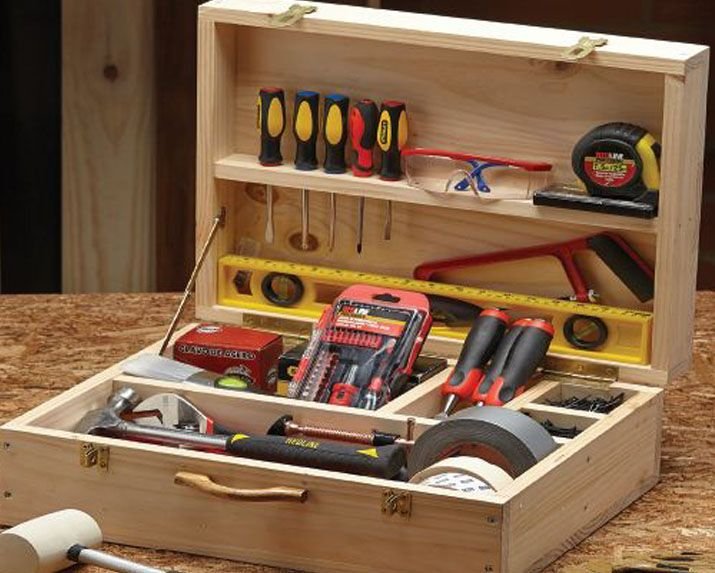
You don’t need a van full of tools to handle basic home repairs. But you do need the right tools — the handful that cover 90% of household jobs. Buy these once, buy them decent, and you’ll handle everything from flat-pack furniture to hanging shelves without calling for help. Here’s the definitive list.
The essential toolkit (the magnificent seven)
1. Cordless drill/driver
The single most useful tool you can own. A decent 18V combi drill (£60–£120 — Bosch, Makita, DeWalt entry ranges) drills into wood, plasterboard and masonry (with the right bits) and drives screws effortlessly. Don’t buy the cheapest no-brand drill; the battery system matters — pick a brand and stick with it so batteries interchange across future tools. Include a basic bit set: twist bits for wood/metal, masonry bits, and a full range of driver bits (Phillips, Pozidriv, Torx, flathead).
2. Screwdriver set
Yes, even with a drill. For electrical faceplates, small screws and delicate work, manual screwdrivers give control a drill can’t. Get a set with Phillips (PH1, PH2), Pozidriv (PZ1, PZ2 — the UK standard for most screws), flathead and Torx. A ratcheting screwdriver (£15) is a joy to use.
3. Hammer
A 16oz claw hammer (£12–£20). For nails, persuading things, and demolition. The claw pulls nails and pries. Don’t buy a tiny “DIY” hammer — the weight does the work.
4. Tape measure
5m/16ft, with a standout blade that doesn’t flop. (£8–£12.) You’ll use it on literally every job. The number one tool people underestimate — “eyeballing it” is how shelves end up crooked.
5. Spirit level
600mm is the versatile size (£10–£15). For hanging shelves, pictures, curtain rails — anything that must be straight. Your phone’s level app works in a pinch but a real level is faster and more accurate.
6. Adjustable spanner
One good adjustable spanner (£10–£15) handles most plumbing nuts, bolts and fittings. For serious plumbing work add a set of combination spanners, but one adjustable covers the basics — including tap washer changes.
7. Utility knife + saw
A retractable utility knife (£8) with spare blades — for opening, trimming, scoring. Plus a small panel saw or a Japanese pull saw (£15–£20) for cutting wood. Between these two, you can cut almost anything in a home.
The second tier (buy as needed)
- Pliers set — combination pliers and long-nose pliers (£15 for both). Gripping, bending, pulling.
- Stud/cable/pipe detector (£20–£40) — essential before drilling any wall. Non-negotiable safety kit.
- Allen key set (£8) — flat-pack furniture runs on these. A folding set lives in a drawer forever.
- Clamps — one or two quick-grip clamps (£10 each). An extra pair of hands for gluing and holding.
- Step ladder — a proper 3–4 tread stepladder (£40–£60), not a kitchen chair. Falls from chairs send thousands to A&E yearly.
- Head torch (£10) — for lofts, under sinks, behind appliances. You’ll wonder how you lived without it.
- Caulking gun (£8) — for sealant and adhesive. The cheap skeleton guns work fine.
- Multimeter (£15) — for basic electrical testing (batteries, fuses, checking if something’s live). Learn to use it before you need it.
Safety gear (not optional)
- Safety glasses (£5) — drilling, cutting, anything overhead.
- Dust mask (£8 for FFP3 pack) — sanding, loft work, sweeping.
- Work gloves (£10) — handling rough timber, rubble, sharp metal.
- Ear defenders (£10) — for prolonged drilling or sawing.
- Knee pads (£12) — for flooring work. Your 50-year-old self says buy these now.
What NOT to buy (yet)
- Specialist tools for one job — hire them. A tile cutter for one bathroom (£40 to buy, £15 to hire for a weekend).
- Cheap multi-tools with 200 pieces — the quality is awful. Buy individual tools as you need them.
- Anything powered you haven’t learned to use safely — angle grinders and circular saws injure thousands of DIYers yearly. Respect them or hire a pro.
Where to buy
Screwfix and Toolstation beat general DIY sheds on price and range for tools. For hand tools, the mid-range (Stanley, Bahco, Irwin) hits the sweet spot — avoid the absolute cheapest, which break and frustrate. Buy the drill from a proper power-tool brand; buy consumables (blades, bits, sandpaper) in bulk online.
Storing it
A single toolbox or tool bag (£20–£30) that lives in one place. The biggest enemy of DIY isn’t lack of skill — it’s not being able to find the tape measure. Everything in one box, box in one place, always put it back. Future you, mid-job, will be grateful.
Building your kit over time: the smart order
Don’t buy everything at once. Build in this order, adding as jobs demand:
- Month 1: tape measure, screwdrivers, hammer, spirit level, utility knife (£50–£70). Handles flat-pack, pictures, basic fixes.
- Month 3: cordless drill + bit set (£70–£120). Opens up 80% of DIY — shelves, curtain rails, flat-pack in minutes.
- Month 6: adjustable spanner, pliers, stud/cable detector, step ladder (£60–£90). Plumbing basics and safe drilling.
- Year 1: saw, clamps, caulking gun, head torch, full safety gear (£60–£80). Proper project capability.
Total after a year: £250–£350 for a kit that handles almost everything a home throws at you. Compare that to two plumber callouts and a handyman visit — the tools pay for themselves within months. And each job you complete builds the confidence for the next one. That’s the real return on investment.
Tool maintenance: making them last
- Clean after use: wipe down tools before putting them away. Dried paint, plaster and rust are what kill tools, not use.
- Oil moving parts: a drop of 3-in-1 oil on pliers, spanners and saws yearly prevents seizing.
- Sharpen blades: blunt tools are dangerous tools — they slip and need excessive force. A £10 sharpening stone keeps chisels, knives and plane blades keen.
- Store dry: damp sheds rust tools fast. A toolbox with silica gel packets, or just keeping them indoors, doubles their life.
- Batteries: store cordless batteries at 40–60% charge in a cool place, not on the charger indefinitely. They’ll last years longer.
For DIY safety specifically, the Health and Safety Executive’s guidance covers the common causes of DIY injuries — worth 10 minutes before you pick up a power tool for the first time.
The takeaway
The tools you need for basic home repairs: a cordless drill, screwdrivers, hammer, tape measure, spirit level, adjustable spanner, utility knife and saw — plus safety glasses, dust mask and gloves. Around £200–£300 total for decent versions that last decades. Buy once, store together, and you’ll be amazed how many “call someone” jobs become 20-minute DIY wins.

Leave a Reply