
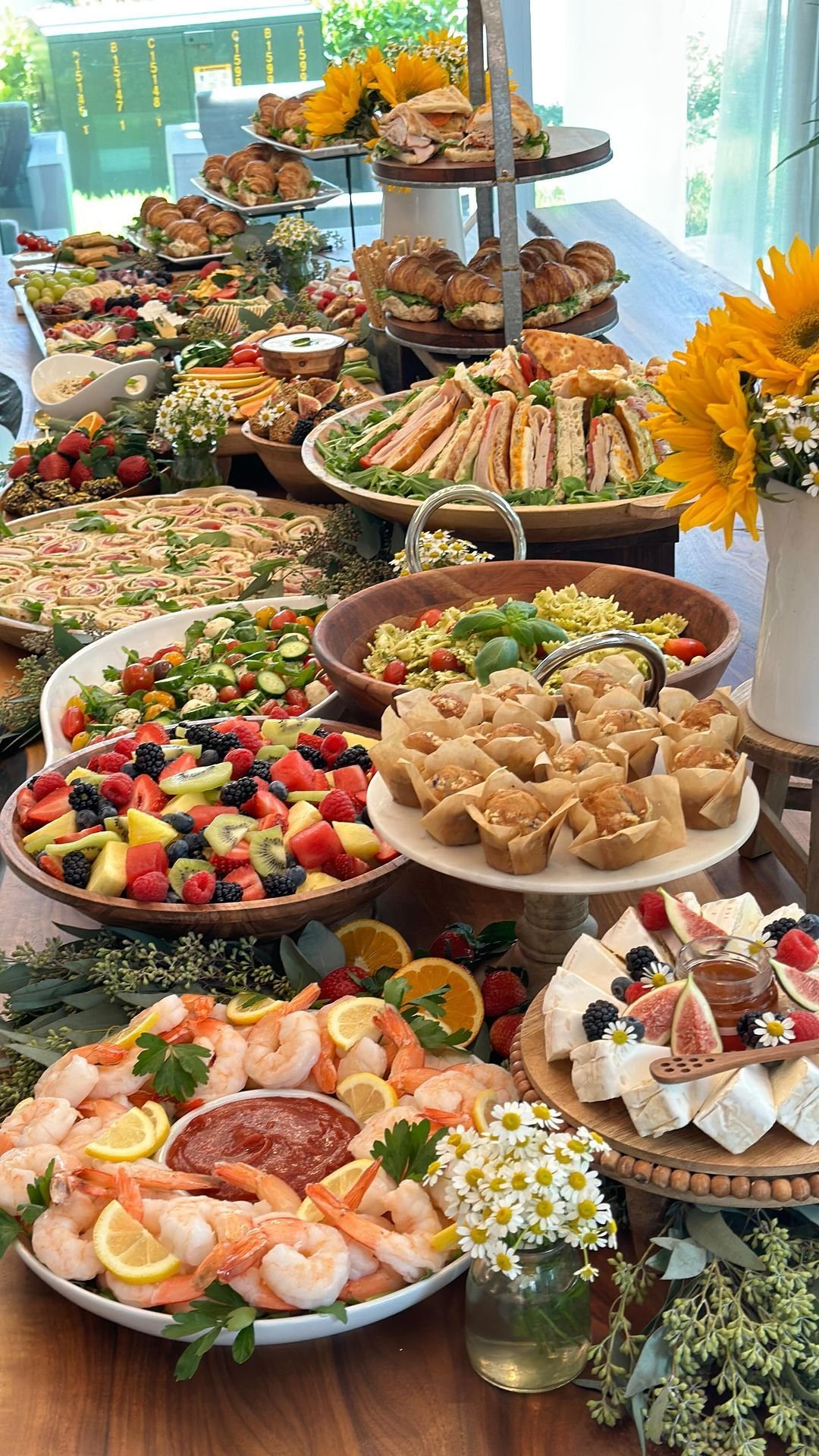
How Do I Cater a Small Party on a Budget?
Catering quotes can be terrifying — £20+ a head for a buffet is normal, which turns a 20-person party into a £400 food bill. But how do I cater a small party on a budget has a very achievable answer: with planning, you can feed everyone brilliantly for £4–6 a head.
I’ve done this for family parties more times than I can count, and the secret isn’t cheap ingredients — it’s smart strategy. Here’s the complete playbook.
The golden rules of budget catering
Pick a theme or cuisine. A curry night, a taco spread, or an Italian spread is cheaper than a random buffet because ingredients overlap. Five curries share one spice base; a random buffet needs twenty different things.
Make, don’t buy, the expensive stuff. Shop-bought party food has enormous markups. Homemade sausage rolls cost a third of the chilled-aisle version. A big tray of lasagne feeds 12 for the price of two ready meals.
Buy the cheap stuff ready-made. Crisps, dips, bread rolls, ice cream — the supermarket does these as well as you can, for less. Spend your effort where it counts.
The £5-a-head menu that actually works
For 20 people (£100 total), here’s a spread that looks and tastes generous:
Shop smart: Aldi and Lidl for the bulk of it, a wholesale bag of rice, value-range tinned tomatoes (genuinely as good as branded for cooking). The food doesn’t know what you paid.
- Big-batch chilli con carne (£15) — 2kg mince, tins of tomatoes and beans, rice. Feeds everyone, tastes better made ahead.
- Homemade sausage rolls (£8) — two packs of puff pastry, sausage meat, one egg. Makes 40+.
- Coleslaw and green salad (£8) — homemade coleslaw costs pennies and feeds an army.
- Crisps, dips, crudités (£15) — the grazing table backbone.
- Brownie traybake (£7) — one batch, cut into 30 squares.
- Drinks: big-batch punch (£20) — a large jug of sangria-style punch beats individual bottles. Plus tea, coffee, squash.
- Buffer (£27) — for bread rolls, ice, and contingencies.
Make-ahead timeline (your sanity plan)
The difference between enjoyable hosting and a meltdown is doing things in advance:
Almost everything improves with a night in the fridge — curries, chillies, coleslaw, brownies. The party-day you should be showering and tidying, not cooking from scratch.
- Two days before: shop for everything non-perishable; make brownies.
- Day before: cook the chilli, make coleslaw, prep crudités, make sausage rolls (bake on the day or reheat).
- Morning of: cook rice, set up the drinks station, lay out non-perishables.
- One hour before: warm sausage rolls, put out crisps and dips, done.
Presentation tricks that look expensive
Budget food looks premium with a few styling tricks: serve everything in real dishes rather than packaging, use a tablecloth (a £3 one transforms a table), add height with cake stands or upturned bowls under cloths, and scatter some fresh herbs or lemon wedges as garnish. Label dishes with little cards — it looks professional and helps with allergies.
Lighting matters more than food styling: fairy lights and candles make a £100 spread look like a £400 one. Honestly, atmosphere is half the meal.
How do I cater a small party on a budget? Your questions answered
Is it cheaper to do it myself or order in? Doing it yourself, almost always — typically a third to half the cost of catering or takeaway platters. The exception: if your time is extremely limited or the guest list is large (30+), the stress saving of professional catering can justify the cost. For small parties under 25, DIY wins on both price and quality.
How do I handle different dietary requirements cheaply? Build the menu around naturally inclusive dishes rather than cooking separate meals. A curry night with a vegan dahl option, rice, and sides already covers veggies, vegans, and gluten-free guests with one extra pot. Label everything. Separate special meals are expensive; inclusive menus are not.
What about drinks — they’re so expensive? Big-batch drinks are the answer: sangria-style punch, mulled wine in winter, Pimm’s jugs in summer. A punch bowl looks festive and costs a fraction of individual bottles. Ask close friends to bring a bottle (normal and expected), provide soft drinks generously, and always have water visible. Nobody remembers the wine list; everyone remembers running out.
Where the money really goes (and the traps to avoid)
The budget killers in party catering are predictable: overbuying perishables (plan quantities properly — this article’s guide works), premium ingredients where basics do (value tinned tomatoes, basic cheese for cooking), and disposable everything (buy a cheap tablecloth and real plates from charity shops — cheaper than disposables and looks infinitely better).
The traps: the ‘just in case’ extra shop that doubles the food, fancy canapés that take hours for 20 minutes of eating, and individual portions of anything (always more expensive than sharing platters).
The mindset shift: budget catering isn’t about spending less on the same party — it’s about designing a party that happens to cost less. A curry night isn’t a cheap version of a canapé reception; it’s a better party that costs £5 a head. Design for the budget and the budget disappears as a constraint.
Borrowing vs buying: party equipment
Catering for 20 needs equipment you don’t own — but buying it is rarely the answer. The borrow-first approach saves serious money.
- Ask around first: trestle tables, extra chairs, large serving platters, cool boxes, and punch bowls live in friends’ garages. A group message usually assembles everything free.
- Charity shops: mismatched plates, glasses, and serving dishes for pennies — and they look charmingly eclectic. Better than disposables in every way.
- What to actually buy: a decent tablecloth or two (£3 each, reusable), bin bags, kitchen paper, and ice. Consumables, not equipment.
- Hire for big parties: for 30+, hiring glasses and plates (£30–50) beats buying disposables and looks far better. Local hire shops deliver.
- The golden rule: never buy single-use equipment for one party. Borrow, charity-shop, or hire. Your wallet and the planet both benefit.
The takeaway
Catering a small party on a budget is about strategy, not sacrifice: pick one cuisine so ingredients overlap, make the expensive items and buy the cheap ones, cook ahead, and style the table well. £5 a head done right beats £20 a head done thoughtlessly — your guests will never know the difference.
Keep reading
If you found this useful, you might also enjoy our guide to how do i prepare for a flu jab appointment, our guide to how can i look stylish on a small budget and our guide to how do i find my personal style in my thirties.




Leave a Reply