
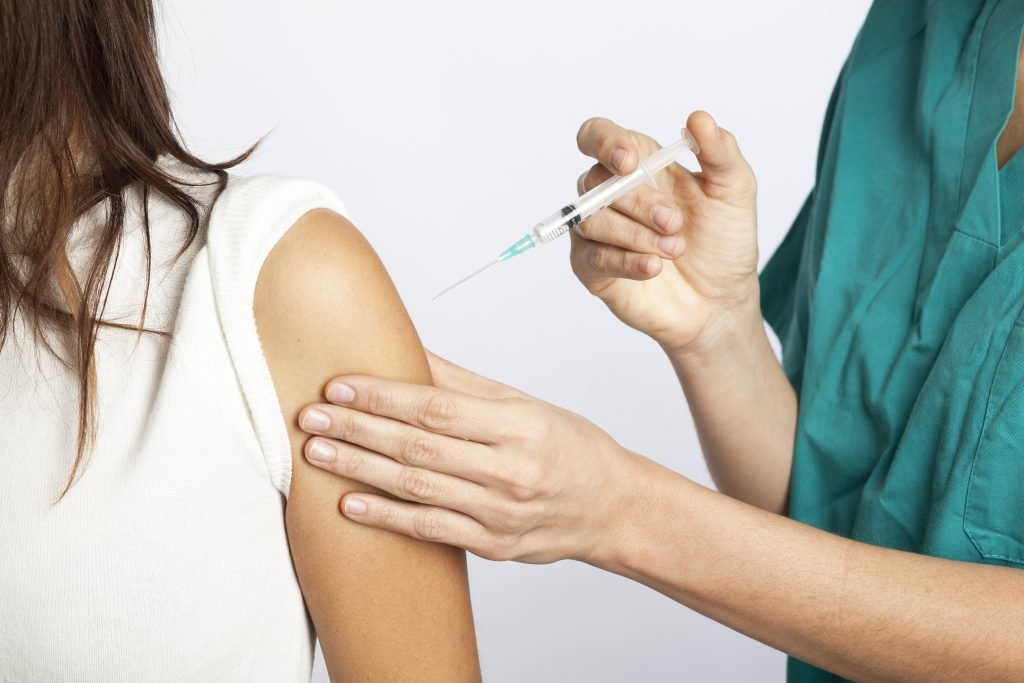
It’s that time of year: pharmacy windows advertise flu jabs, your GP surgery texts you, and you vaguely mean to book one. Whether it’s your first or your fifteenth, knowing how to prepare for a flu jab appointment makes the whole thing smoother — and might be the nudge that gets you to actually go. I’ve had one every year for a while now, and it’s genuinely one of the easiest health wins available. So, How do I prepare for a flu jab appointment? Here’s what actually works.
How do I Prepare for a Flu Jab Appointment — Do you need one? (Probably yes)
The flu jab is free on the NHS if you’re 65 or over, pregnant, have certain long-term conditions (asthma, diabetes, heart, kidney or liver disease, weakened immunity and others), live in a care home, are a carer, or are a frontline health or social care worker. Children aged 2–3 and school-age children get it free too (usually as a nasal spray).
Not eligible for a free one? You can still get jabbed — most high-street pharmacies (Boots, Superdrug, Lloyds, independents) offer private flu vaccinations for around £15–£20, no appointment often needed. Given that flu can knock you flat for two weeks, it’s excellent value. The NHS flu vaccine page has the full eligibility list and details.
Timing matters: get it in autumn (September to November ideally). It takes about two weeks to build full protection, and flu season typically runs December to March. A January jab is still worth having, but earlier is better.
Before the appointment
The preparation is minimal, but a few things help:
- Wear short sleeves or loose sleeves that roll up easily. The jab goes into your upper arm. Every year, someone turns up in a complicated layered outfit and there’s an awkward undressing interlude. Don’t be that person.
- Eat normally and stay hydrated. There’s no fasting requirement. Having eaten makes faintness less likely — a small but real consideration if you’re needle-nervous.
- Bring your details. NHS number if you have it (not essential), a list of current medications, and information about any egg allergy or previous vaccine reactions. The flu vaccine is grown in eggs, but the trace egg protein is tiny — current guidance says most egg-allergic people can be vaccinated safely, but tell them so they can advise.
- Reschedule if you’re acutely unwell. A sniffle is fine; a fever means wait until you’re better. If you currently have a proper cold or flu-like illness, rebook.
- Plan a light day after, just in case. Most people feel nothing, but a sore arm or mild achiness the next day is common. Don’t schedule your personal best at the gym for the evening after.
At the appointment: what actually happens
It’s over in minutes. They’ll confirm your identity and eligibility, ask about allergies and current health, and run through consent. The injection itself is a quick jab in the upper arm (deltoid muscle) — a brief scratch or sting, then done. A plaster, a “wait a few minutes if you feel woozy,” and you’re out. Pharmacy appointments are often walk-in and take under ten minutes total.
If you’re needle-phobic: say so. They deal with this constantly and have techniques — don’t look, chat through it, lie down if you tend to faint. There’s no shame in it, and telling them gets you better care than white-knuckling in silence.
Afterwards: what’s normal
- Sore, red or slightly swollen arm for a day or two — very common, totally normal. Move the arm normally; gentle movement helps more than babying it. A cool flannel helps.
- Mild achiness, slight temperature or tiredness for 24–48 hours — your immune system is doing exactly what it’s supposed to do. Paracetamol if you need it.
- What it’s NOT: the flu. The injected vaccine contains inactivated virus — it cannot give you flu. If you get flu-like symptoms in the days after, you were already incubating something, or it’s the mild immune response above. This myth keeps too many people unvaccinated.
Serious allergic reactions are extremely rare (around one in a million) — which is why they ask you to hang around for a few minutes. If you develop difficulty breathing, facial swelling or widespread hives, that’s a 999 situation — but to put it in perspective, you’re more likely to be seriously harmed by actual flu.
After the jab: don’t drop your guard entirely
The vaccine is good but not perfect — effectiveness varies year to year (typically 40–60%), because scientists must predict which strains will circulate. It still dramatically cuts your risk of severe illness and hospitalisation, which is the point. Keep up the winter immune basics — sleep, food, hand-washing — and if flu does get through, our guide to eating during flu recovery will help.
Flu jab myths, debunked
Misinformation keeps too many people unvaccinated. Let’s clear the persistent myths:
“The flu jab gives you flu.” The most common myth, and flatly false. The injected vaccine contains inactivated (killed) virus — it cannot replicate, cannot cause infection. What people experience: either the mild immune response (achiness, slight temperature for a day — your immune system learning, which is the point), or a cold/virus they were already incubating (flu season coincides with cold season, so the timing confuses people). If you got “flu” two days after the jab, you caught it before the appointment — the jab takes two weeks to protect, which is why earlier in autumn is better.
“I never get flu, so I don’t need it.” Past luck isn’t immunity. Flu strains change yearly, and the fact you dodged it before says nothing about this season. Also: vaccination isn’t just about you — it reduces transmission to vulnerable people (elderly relatives, newborns, immunocompromised colleagues). Herd protection is real, especially for those who can’t be vaccinated.
“It’s just a bad cold.” No — real influenza hospitalises thousands of Brits yearly and kills an average of 10,000+ in England in a bad season. The “flu” most people mean when they say this was a cold. Actual flu lays healthy adults flat for 1–2 weeks and can cause pneumonia, particularly in the elderly and those with long-term conditions. Our flu recovery guide describes what the real thing does to you.
“The jab doesn’t work — I got flu anyway.” Effectiveness varies (typically 40–60%) because strains must be predicted months ahead. But 40–60% risk reduction is enormous at population scale, and crucially, vaccination reduces severity even when it doesn’t prevent infection — vaccinated people who get flu are less likely to be hospitalised or die. Seatbelts don’t prevent all car deaths either; we still wear them.
“I’m healthy, so flu isn’t dangerous for me.” Healthy adults do die of flu — rarely, but it happens, usually from secondary pneumonia or because an undiagnosed condition made them vulnerable. And even non-fatal flu costs you two weeks of misery plus the risk of passing it to someone for whom it is dangerous. The £15–£20 private jab is cheap insurance against all of that.
“One jab covers me forever.” Flu viruses mutate constantly (antigenic drift), so last year’s vaccine doesn’t protect against this year’s strains — hence the annual jab. It’s not a conspiracy to sell vaccines; it’s virology. The same reason exists for the annual reformulation, guided by global surveillance of circulating strains.
The practical takeaway
Preparing for a flu jab appointment means: book it in autumn, wear short sleeves, eat beforehand, bring your medication list and allergy info, and plan a quiet evening after. The appointment takes minutes, the sore arm lasts a day, and the protection lasts the season. It’s the highest-return ten minutes in the winter health calendar — just go.




Leave a Reply