
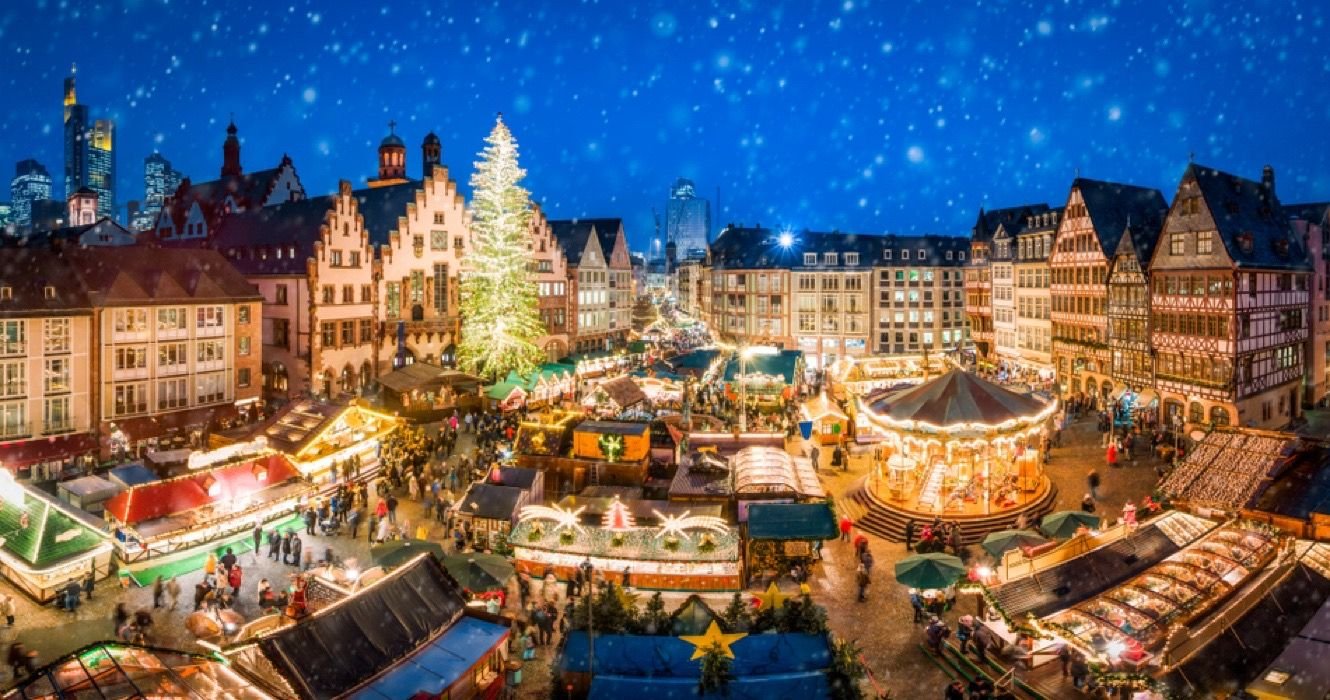
There’s something about a proper European Christmas market — the smell of glühwein, the wooden stalls, the church bells — that British shopping centres simply can’t replicate. Planning a Christmas market trip in Europe is one of the most rewarding short breaks you can take, but the difference between a magical weekend and a crowded, overpriced ordeal comes down to planning. Here’s how to get it right.
When to go: timing is everything
Most German and Austrian markets open in late November and run until 23 or 24 December. The sweet spot is the first two weeks of December — the markets are in full swing, the atmosphere is properly festive, but you miss the manic final weekend before Christmas when half of Europe descends.
Avoid the opening weekend (crowded with locals) and the last weekend before Christmas (crowded with everyone). Midweek trips — Tuesday to Thursday — are quieter and cheaper across the board: flights, hotels and even the markets themselves.
Which markets are actually worth it?
The classics
- Cologne, Germany — seven markets across the city, the cathedral as a backdrop, and the best glühwein variety in Europe. Easy to reach from the UK with direct flights and trains.
- Vienna, Austria — the Rathaus market is enormous and beautiful, and Vienna does Christmas with imperial grandeur. Book early; it’s deservedly popular.
- Strasbourg, France — calls itself the “Capital of Christmas” and honestly earns it. The whole old town becomes a market, and the French food stalls are a cut above.
- Munich, Germany — traditional, atmospheric, and the Marienplatz market against the town hall is iconic. Combine with the English Garden’s winter beer gardens.
The underrated gems
- Nuremberg, Germany — the Christkindlesmarkt is one of the oldest (dating to the 1600s) and the gingerbread is legendary. Less stag-party energy than some German cities.
- Tallinn, Estonia — a medieval old town dusted with snow, one of Europe’s prettiest markets, and prices far below Western Europe. A genuinely magical budget option.
- Budapest, Hungary — thermal baths by day, Christmas markets by night. The Vörösmarty Square market with chimney cake and mulled wine is superb value.
- Lille, France — 90 minutes from London on the Eurostar, a lovely market, and far fewer British tourists than you’d expect.
- Edinburgh — if you’d rather stay in the UK, Edinburgh’s winter festival is excellent and the city looks made for Christmas.
Flights and transport: book early, travel smart
December flights to popular market cities sell out fast and prices climb steeply from October. Book by September for the best fares — set price alerts and pounce. Flying midweek can halve the cost versus a Friday departure.
Consider the train. Eurostar to Lille, Brussels or Paris connects to onward trains across France, Belgium and Germany — often with no airport faff and city-centre to city-centre convenience. For Cologne and Strasbourg, the train journey is part of the pleasure.
If you’re flexible, keep an eye on last-minute holiday deals — tour operators sometimes discount December city breaks when they haven’t sold out, though the most popular market weekends rarely get discounted.
Where to stay
Stay central. You’ll be out in the cold all day, and being able to pop back to the hotel to warm up (or drop off shopping) transforms the trip. Look for hotels within walking distance of the main market — in cities like Vienna and Cologne, the markets are spread out, so check a map before booking.
Christmas is peak season, so book accommodation by early autumn at the latest. Apart-hotels are worth considering — having a kitchenette means you can do breakfast in your room and save the eating-out budget for market food.
Budgeting for the trip
A 3–4 day Christmas market trip typically costs:
- Flights/trains: £60–£150 return if booked early
- Hotel: £80–£150 per night for a decent central hotel
- Food and drink at markets: £30–£50 per day (glühwein is €4–€6 a cup, bratwurst €5–€7 — it adds up faster than you think)
- Shopping: set a limit. Market stalls are dangerously tempting.
Work out your total with our guide to how much spending money you need for a week abroad (halve it for a long weekend), and sort your money with the best way to exchange currency for travel before you go.
Practical tips
- Dress for standing around in the cold. You’ll be outdoors for hours. Thermal layers, waterproof boots with grip, hat, gloves, scarf. Fashion loses to frostbite every time.
- Carry cash. Many market stalls are cash-only, especially in Germany and Austria.
- Eat the local specialities. Every market has its thing — Nuremberg gingerbread, Strasbourg bredele biscuits, Budapest chimney cake. Ask stallholders what’s traditional.
- Go in the evening. Markets are pleasant by day but magical after dark when the lights come on. Plan a late afternoon rest, then head out for the evening session.
- Check ETIAS and passport rules. Post-Brexit paperwork applies to Christmas trips too — see our guide to documents needed for Europe after Brexit.
What to pack for a Christmas market trip
Packing wrong ruins market trips faster than anything else. The essentials:
- Thermal base layers — you’ll be standing outdoors for hours. Thermals under normal clothes beat one thick jumper.
- Waterproof boots with grip — cobblestones get icy and slippery. Fashionable ankle boots are a twisted-ankle waiting to happen.
- Hat, gloves, scarf — you lose heat fastest from extremities, and numb hands can’t hold glühwein.
- A cross-body bag — keeps hands free for food and drink, and is harder to pickpocket than a backpack in crowds.
- Cash in small denominations — many stalls are cash-only and won’t break large notes happily.
- A collapsible tote — for the inevitable market purchases. You’ll buy more than you plan.
- Portable phone charger — cold kills phone batteries fast, and you’ll want the camera.
For official dates and details, the German National Tourist Board’s Christmas market guide lists the major markets with opening dates each year — the most reliable source for planning.
The takeaway
A Christmas market trip in Europe is at its best in early-to-mid December, in a city you’ve chosen for atmosphere rather than fame, with a central hotel and warm boots. Book transport early, carry cash, and pace yourself — the glühwein is stronger than it tastes. Do it right and it’ll become an annual tradition.


Leave a Reply