
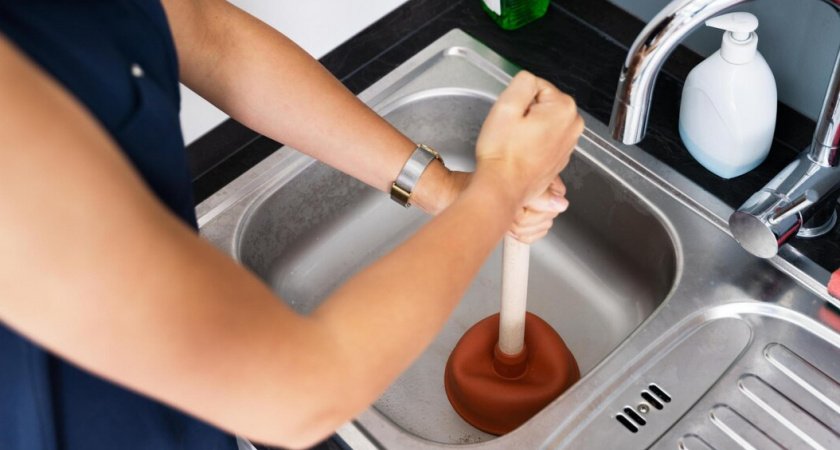
Before you reach for the caustic drain cleaner, stop. Chemical unblockers are nasty stuff — they can damage pipes, burn skin, and they’re terrible for the environment. And in most cases, you don’t need them. Here’s how to unblock a sink without chemicals, using methods that actually work better than the bottle of doom under your sink.
First: work out what kind of blockage you have
- Slow draining but water eventually goes: partial blockage — usually grease, soap scum or a hairball. The easy methods below will fix it.
- Standing water that won’t budge: full blockage. Start with the plunger; you may need to go under the sink.
- Kitchen sink: almost always fat, grease and food debris. Prevention (below) matters as much as the cure.
- Bathroom sink: almost always hair mixed with soap and toothpaste. A different beast — see the drain snake section.
- Both sinks (or sink + bath) blocked: the blockage is further down the shared pipe. Try the plunger on each in turn; if nothing works, it’s time to check the trap or call for help.
Method 1: Boiling water (kitchen sinks)
The simplest fix, and surprisingly effective for grease blockages. Boil a full kettle, then pour it down the drain in two or three stages, pausing between each. The heat melts congealed fat. For a really greasy blockage, add a good squirt of washing-up liquid first and let it sit for five minutes before the boiling water.
Caution: don’t use boiling water on porcelain sinks (thermal shock can crack them) — use very hot tap water instead. And never pour boiling water into a toilet.
Method 2: Bicarbonate of soda + vinegar
The classic, and it genuinely works on mild blockages:
- Pour half a cup of bicarbonate of soda down the drain.
- Follow with half a cup of white vinegar.
- Cover the plughole with a cloth or plug to keep the fizz working downwards.
- Wait 20–30 minutes.
- Flush with boiling water (or hot tap water for porcelain).
This won’t shift a serious blockage, but for slow drains and maintenance it’s excellent. The fizzing action loosens soap scum and light grease.
Method 3: The plunger (the right way)
Most people plunge wrong. Here’s the technique:
- Block the overflow with a wet cloth — otherwise pressure escapes there instead of pushing the blockage.
- Run enough water to cover the plunger’s cup.
- Place the plunger firmly over the plughole to get a seal.
- Push down and pull up vigorously 15–20 times. It’s the pulling motion that dislodges the blockage, not just pushing.
- Remove and check drainage. Repeat if improved but not clear.
A proper sink plunger (the cup-shaped kind, £5) beats the toilet-style flange plunger for sinks. If you don’t own one, buy one — it’s the most useful £5 in home maintenance.
Method 4: Clean the trap (the nuclear option that isn’t)
The U-bend trap under the sink catches debris — and it’s designed to be removed. This sounds scary but takes 10 minutes:
- Put a bucket under the trap (it’ll be full of foul water — that’s normal).
- Unscrew the trap by hand or with grips. Most modern traps are hand-tight plastic.
- Empty it, pull out the gunk (gloves recommended — you’ll find things you don’t want to identify), and scrub it clean.
- Check the pipe into the wall for blockages while you’re there.
- Reassemble hand-tight. Run water and check for leaks.
Nine times out of ten, the blockage is sitting right there in the trap. If you’ve never done it, you’ll be amazed what comes out.
Method 5: Drain snake for hair blockages
Bathroom sinks blocked with hair laugh at plungers. A simple plastic drain snake (£3–£5, a long flexible strip with barbs) pushed down the plughole and wiggled around pulls out astonishing quantities of hair. It’s disgusting and deeply satisfying. For deeper blockages, a metal hand auger (£15) does the same job further down.
Prevention: stop it happening again
- Kitchen: never pour fat, oil or grease down the sink. Wipe pans with kitchen roll first, then wash. A sink strainer (£2) catches food debris.
- Bathroom: a drain cover catches hair before it goes down. Clean it weekly — 10 seconds.
- Monthly maintenance: the bicarb-and-vinegar treatment keeps things flowing.
- Coffee grounds: don’t put them down the sink, despite what the internet says. They clump and cause blockages.
When to call a plumber
Try the methods above in order. Call a professional if: multiple fixtures are blocked (suggests a main drain issue), water is coming up in unexpected places, there’s a sewage smell, or you’ve cleaned the trap and the blockage is beyond your reach. See our guide to finding a reliable plumber and what plumbers charge so you don’t overpay. A simple sink unblock should be a quick job — be wary of anyone quoting hours of labour for it.
And if your plumbing adventures have also left you with a drip, our guide to fixing a dripping tap is the natural next read.
Bath and shower blockages
The same principles apply to baths and showers, with a few differences:
- Showers: hair and soap scum are the culprits. Remove the drain cover and pull out the hairball (gloves on — it’s grim). A drain snake works brilliantly here. Then the bicarb-and-vinegar treatment followed by hot water.
- Baths: slower to drain usually means the trap or the overflow channel. Try the plunger (seal the overflow first), then check the trap via the access panel — most baths have one, often hidden behind a bath panel that clips off.
- Pop-up wastes: the click-clack mechanisms trap hair around the mechanism. Unscrew it, clean it, and it’ll drain like new. This 5-minute job fixes half of all slow bathroom drains.
For persistent shower drainage problems, check the bathroom mould guide — standing water from slow drainage is a major mould contributor.
Prevention advice from the water industry: Water UK’s guidance on fats, oils and grease explains why fatbergs form and what never belongs down the drain — worth sharing with the whole household.
The takeaway
To unblock a sink without chemicals: try boiling water and bicarb for mild blockages, plunge properly (blocking the overflow) for stubborn ones, clean the trap for the rest, and use a drain snake for hair. Skip the caustic drain cleaner — it’s worse for your pipes, your skin and the planet than any of these methods, and it often doesn’t even work.



Leave a Reply