
Quick answer: Most furnaces last between 15 and 30 years. Gas furnaces typically last 15–20 years, oil furnaces 20–25 years, and electric furnaces 20–30 years. Regular servicing, clean filters, and correct installation can push a furnace well past the 20-year mark, while neglect can cut its life to under 10 years.
If you are wondering how long do furnaces last, you are probably either buying a home with an old heating system or watching your own furnace age and wondering whether replacement is on the horizon. Either way, the answer matters, because a new furnace or boiler costs thousands of pounds and breaking down mid-winter is nobody’s idea of fun.
This guide covers the typical lifespan of every major furnace type, the factors that shorten or extend it, the warning signs that your unit is reaching the end, and practical steps to squeeze extra years out of it. While the word “furnace” is more American than British, the advice applies equally to the UK’s gas boilers, oil boilers, and electric heating systems that do the same job of warming your home.
Average Furnace Lifespan by Type
Not all heating systems age the same way. Here is what to expect from the main types found in UK homes:
Gas furnaces and boilers: 15–20 years
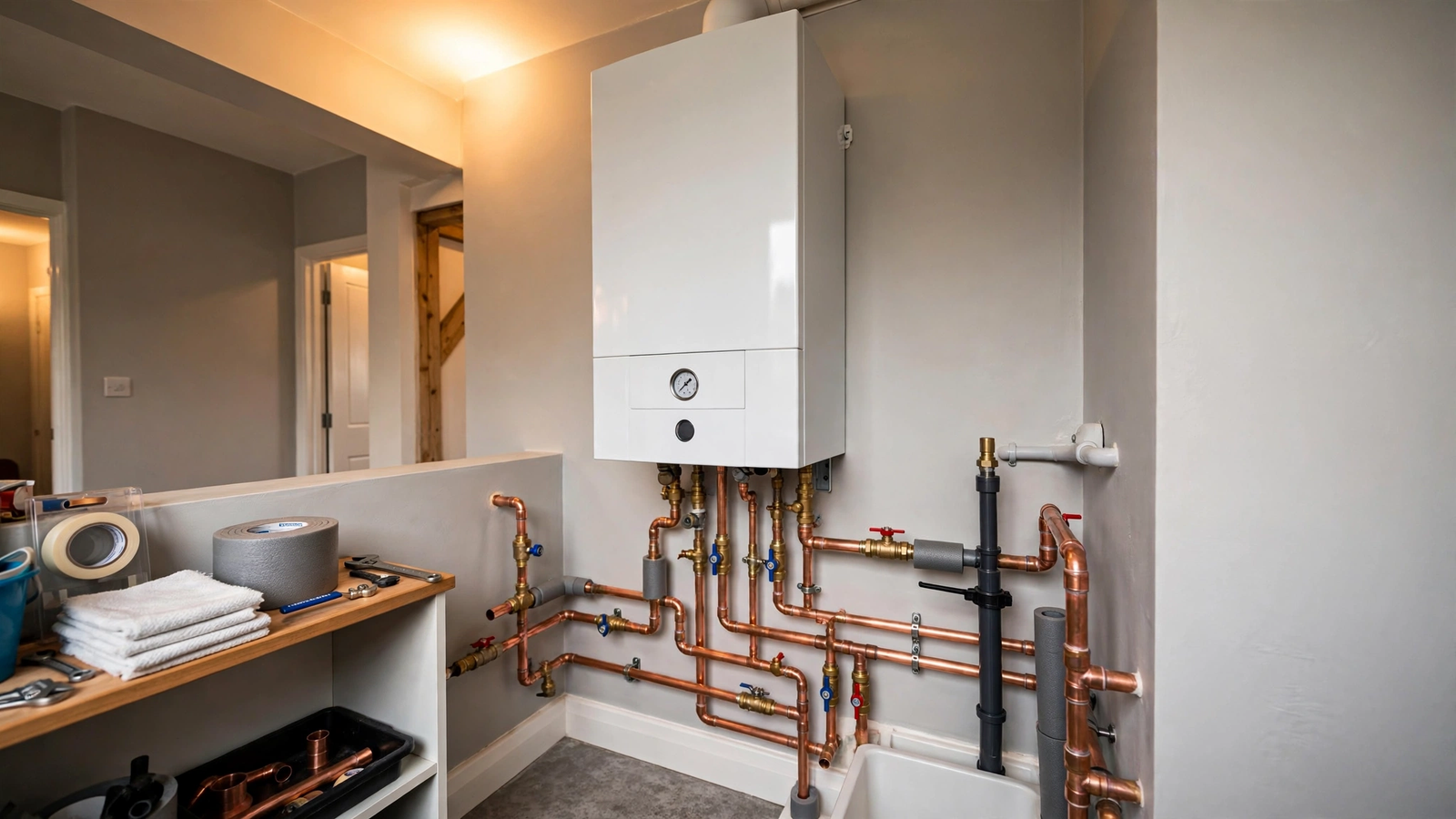
Gas central heating is the most common setup in the UK, with around 23 million homes using gas boilers. A well-maintained gas boiler or furnace typically delivers 15 to 20 years of service. The heat exchanger — the heart of the unit — gradually corrodes from heat cycles, and once it cracks, replacement is usually the sensible option rather than an expensive repair.
Oil furnaces and boilers: 20–25 years
Oil-fired systems, common in rural parts of the UK without mains gas, tend to outlive gas units slightly. The heavier construction and lower operating temperatures mean 20–25 years is realistic, although fuel quality and storage conditions play a big role. Contaminated oil is one of the fastest ways to kill an oil furnace.
Electric furnaces and heaters: 20–30 years
Electric heating systems have fewer moving parts and no combustion, so they wear slowly. Electric furnaces and panel heaters routinely last 20–30 years. The main failure points are electrical components like contactors and heating elements, which are relatively cheap to replace compared with a gas heat exchanger.
Heat pumps: 15–25 years
With the UK push towards net zero, air-source and ground-source heat pumps are becoming more common. Expect 15–25 years from the main unit, with the underground ground loop potentially lasting 50+ years. government guidance on heat pumps covers the basics of these systems for homeowners.
7 Factors That Affect How Long a Furnace Lasts
1. Annual servicing
This is the single biggest factor. A yearly service by a Gas Safe registered engineer (legally required in the UK for gas appliances) catches worn parts, cleans burners, checks the flue, and keeps everything running efficiently. Skipped services let small problems snowball into fatal ones. Landlords in the UK must have gas appliances checked every 12 months by law — owner-occupiers are not legally obliged, but it is just as important.
2. Filter maintenance
Warm-air furnaces and some combi systems use filters that trap dust before it reaches the heat exchanger. A clogged filter forces the unit to work harder, overheats components, and shortens life dramatically. Check filters monthly during heating season and replace or clean them as needed.
3. Correct sizing and installation
An oversized furnace short-cycles — firing up and shutting down constantly — which wears components fast. An undersized one runs flat-out all winter, burning itself out early. Professional sizing and installation set the ceiling for your system’s lifespan, which is why buying on price alone is a false economy.
4. Fuel quality
For oil furnaces, dirty or water-contaminated fuel clogs nozzles and soots up the heat exchanger. Keep the oil tank watertight, use reputable suppliers, and consider an oil filter at the tank. For gas, supply quality is generally consistent, but low gas pressure from supply issues can stress the burner.
5. Usage patterns
A furnace in a cold Scottish cottage that runs six months a year will wear faster than one in a mild southern flat used for four months. Heavy cycling — turning the system fully on and off repeatedly — also adds wear compared with steady, moderate operation.
6. Water quality and sludge
In UK wet central heating systems, internal corrosion creates sludge (magnetite) that clogs radiators and strains the boiler. A powerflush, magnetic filter, and corrosion inhibitor in the system water all protect the boiler and extend its life.
7. Thermostat and controls
Modern programmable or smart thermostats reduce unnecessary cycling and keep temperatures steady, which is gentler on the equipment than the old on-off blast-furnace approach. Room thermostats and thermostatic radiator valves (TRVs) also prevent the system working against closed rooms.
Signs Your Furnace Is Near the End of Its Life
How do you know whether your furnace has another five years or five weeks? Watch for these signs:
- Rising energy bills without higher usage: Efficiency drops as components wear. If bills creep up year after year, the furnace is losing its edge.
- Frequent repairs: The rule of thumb: if a repair costs more than half the price of a new unit, or repairs are needed every year, replace it.
- Uneven heating: Some rooms hot, others cold, or the system struggling to reach the thermostat setting.
- Strange noises: Banging, rattling, popping, or whistling that was not there before can indicate a cracked heat exchanger or failing blower.
- Yellow pilot flame: On gas systems, the flame should be blue. A yellow or flickering flame can signal carbon monoxide risk — get it checked immediately by a Gas Safe engineer.
- Excess dust or soot: Soot around the unit or unusually dusty air suggests incomplete combustion.
- Age over 15–20 years: Even if it runs, an old furnace is inefficient and living on borrowed time.
If you notice a gas smell, soot, or a yellow flame, treat it as urgent and call the Gas Safe Register to find a qualified engineer — never attempt gas repairs yourself.
How to Make Your Furnace Last Longer
Extending your furnace’s life is mostly about consistent, boring maintenance:
- Book an annual service. Use a Gas Safe registered engineer for gas, an OFTEC technician for oil. Keep the paperwork — it proves maintenance history if you sell the house.
- Change filters regularly. Monthly checks in winter, replace when dirty.
- Keep vents and radiators clear. Furniture blocking airflow makes the system work harder.
- Bleed radiators yearly. Trapped air forces the pump and boiler to work overtime.
- Add a magnetic filter. Devices like the MagnaClean trap sludge before it damages the boiler.
- Lag pipes in cold areas. Frozen condensate pipes are a classic UK winter boiler-killer — insulation prevents it.
- Use the timer sensibly. Steady, moderate heating is kinder than massive temperature swings.
Repair or Replace? The 50% Rule
When something breaks on an ageing furnace, decide with simple maths: multiply the repair quote by the unit’s age in years. If the result exceeds the cost of a new system, replace it. A £400 repair on a 16-year-old boiler that would cost £2,500 to replace? The maths (£400 × 16 = £6,400) says replace.
Also consider efficiency: a modern A-rated condensing boiler is around 90%+ efficient, while a 20-year-old unit may be 60–70%. The fuel savings alone can justify replacement, especially with current energy prices. Which? boiler reviews and buying advice is a solid independent starting point when you are ready to shop.
What Does a New Furnace or Boiler Cost in the UK?
As a rough guide for 2026:
- Gas combi boiler replacement: £2,000–£3,500 installed
- System or regular boiler: £2,500–£4,500 installed
- Oil boiler: £3,500–£6,000 installed
- Air-source heat pump: £7,000–£13,000 (minus the £7,500 Boiler Upgrade Scheme grant)
Prices vary by region, property size, and how much pipework needs changing. Always get at least three quotes from certified installers.
Frequently Asked Questions
How long do furnaces last on average?
The average furnace lasts about 15–20 years. Gas units cluster around 15–20, oil around 20–25, and electric around 20–30. With diligent maintenance, beating the average by 5 years is common.
Should I replace a 20-year-old furnace that still works?
Probably yes, or at least start budgeting for it. At 20, efficiency is low, parts are getting scarce, and a breakdown is likely within a few years. Replacing proactively lets you shop around instead of paying emergency rates in January.
Can a furnace last 40 years?
Very rarely, and usually only old cast-iron boilers that were massively overbuilt. A 40-year-old unit will be shockingly inefficient — keeping it running costs far more in fuel than a modern replacement would save.
Does servicing really extend furnace life?
Yes. Studies and installer experience consistently show serviced systems last several years longer than neglected ones. The service itself is cheap (£70–£120 in the UK) compared with early replacement.
How long do heat exchangers last?
The heat exchanger is usually the first major component to fail, typically after 15–20 years of use. A cracked heat exchanger is generally the signal to replace the whole furnace rather than repair it.
For more help keeping your heating system healthy, see our guide to fixing common heater problems and how to bleed radiators step by step.


Leave a Reply