
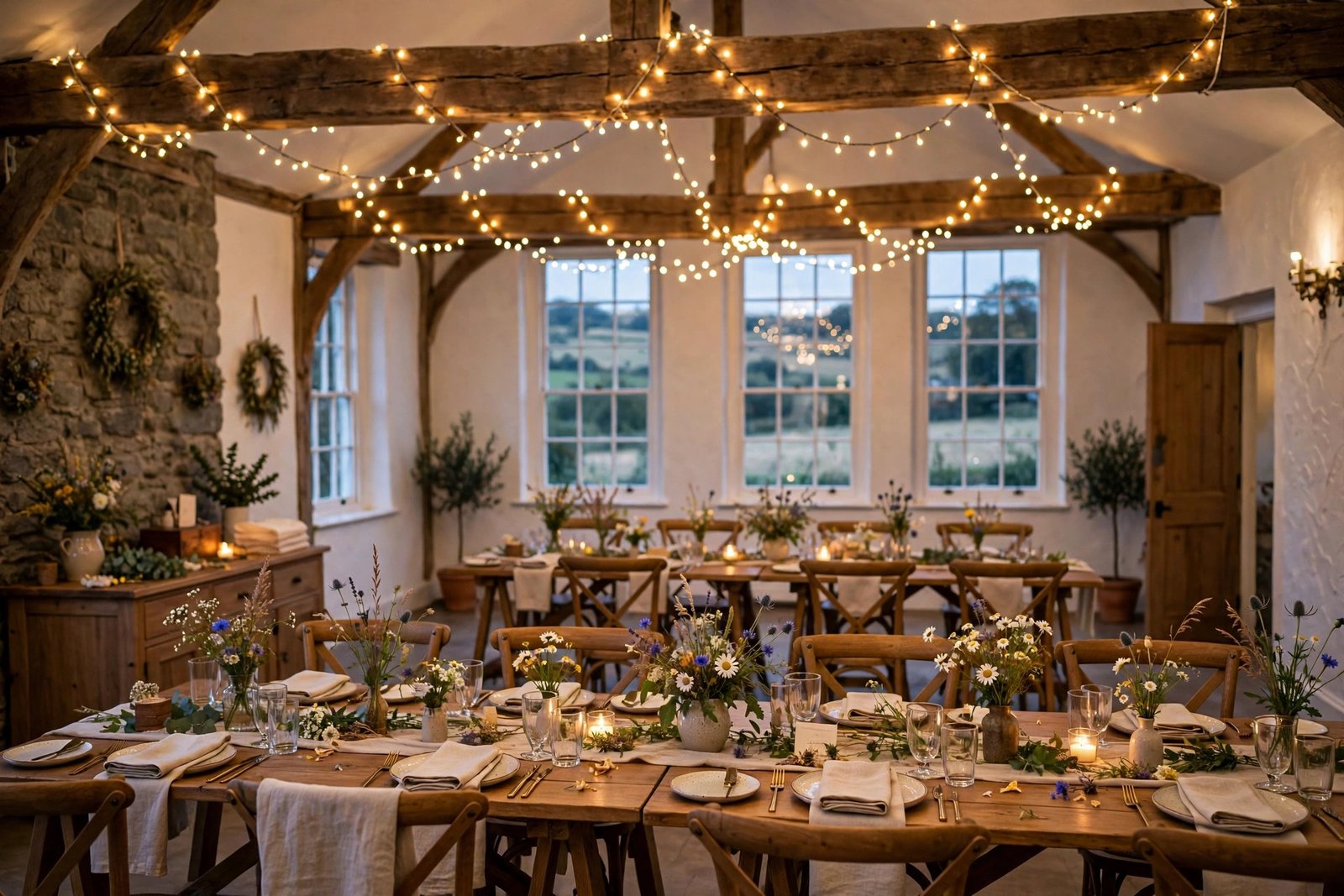
The average UK wedding now costs over £20,000 — and that’s before the honeymoon. It’s no wonder so many couples start married life with a financial hangover, paying off wedding debt well into their second or third anniversary. But here’s what the wedding industry doesn’t want you to know: the happiest weddings aren’t the most expensive ones, and a stunning celebration is entirely possible without borrowing a penny.
This guide shows you how to save for — and actually hold — a beautiful UK wedding on a realistic budget, debt-free.
Step 1: set a number you can actually afford
Before viewing a single venue, sit down together and answer honestly: what can we save between now and the date, plus any family contributions, without debt? That’s your budget — not the “average”, not what Instagram suggests, not what your venue’s brochure implies. Write it down. Every decision flows from this number. Couples who skip this step don’t have budgets; they have surprises. A useful anchor: your wedding should cost no more than you can save in 12–18 months without raiding emergency funds or pensions. If that number is £8,000, plan an £8,000 wedding — and read on, because it’ll be lovely.
Step 2: ruthlessly prioritise (the 3-thing rule)
Ask each other: what three things will we actually remember in ten years? For most couples it’s some version of: the people, the food/drink, the atmosphere — almost never the chair sashes. Allocate 70% of your budget to your three priorities and economise mercilessly on everything else. Guests remember whether they had fun and felt welcomed; they don’t remember the exact shade of the napkins. This single exercise typically cuts 20–30% off fantasy budgets without touching a single meaningful element.
Step 3: build the wedding savings machine
A separate account, automated
Open a dedicated wedding savings account and automate transfers on payday — the same “pay yourself first” principle in our budgeting guide. £400/month for 18 months is £7,200; £600/month is £10,800. The 50/30/20 framework helps you find the monthly amount honestly.
Cut with a deadline
Temporary sacrifice is easier than permanent frugality. For 12–18 months: pause the takeaways, the impulse ASOS orders, the £5 daily coffees. Monthly saving ideas routinely uncover £200–£400/month — that’s £3,600–£7,200 over 18 months, potentially half your wedding. Frame it as buying your wedding, not depriving yourself.
Time your date strategically
The cheapest wedding hack in existence: marry off-peak. Friday or Sunday weddings, winter dates (November–March excluding Christmas/New Year), and even Thursday celebrations can cut venue costs 30–50%. A £6,000 Saturday summer package becomes £3,500 on a Friday in February — same venue, same food, radically different price.
Where the big savings hide
Venue: think differently
Traditional wedding venues charge wedding premiums. Alternatives: village halls (£200–£500, decorate yourselves), pubs with function rooms (often free with a bar minimum), registry office + restaurant celebration (the legal bit costs under £100; the party is what matters), or a marquee in a family garden. Each saves thousands versus the wedding-venue circuit.
Food and drink: the budget-killer, tamed
Catering is typically the biggest line item. Savings: afternoon tea or brunch receptions instead of formal dinners; food trucks or hog roasts (£15–£25/head vs £60–£100 for plated); cash bars or limited open bars (a drinks reception + wine on tables, then cash bar — completely normal and accepted); wedding cakes from supermarket “tower of wheels of cheese” or M&S (their wedding cakes are legendary value).
Flowers, photos, music
Flowers: seasonal, local, and fewer than you think — greenery-heavy arrangements cost a fraction of bloom-heavy ones; potted plants double as favours. Photography: the one area to prioritise — but book emerging photographers building portfolios (£800–£1,200 vs £2,500+), or a talented student. Music: a curated playlist and a decent speaker system beats a mediocre DJ; save live music for the ceremony. Dress: sample sales, pre-loved (Nearly Newlywed-style sites), high-street — stunning dresses exist at every price.
Guests and the registry-office option
Every guest costs £50–£150 in catering alone — the guest list is a budget lever, not a social obligation. And consider: a small legal ceremony (£57–£500 depending on venue) plus a big party later splits the cost and doubles the celebration. Check the GOV.UK guidance on getting married for current fees and notice requirements — the legalities are refreshingly cheap compared to everything else.
The debt trap: why “wedding loans” are a terrible idea
Let’s be blunt: starting a marriage in debt for a one-day party is financial self-sabotage. A £15,000 wedding loan at typical rates costs £18,000+ repaid over five years — that’s your house deposit, your emergency fund, your first year of mortgage overpayments, spent on memories and photographs. If family offers contributions, wonderful — accept graciously and adjust the budget upward. But borrowing for a wedding converts a celebration into a burden. The couples who look back happiest aren’t those who spent most; they’re those who spent deliberately. Free MoneyHelper guidance on big-event budgeting keeps the numbers honest.
Don’t forget the honeymoon (budget version)
A honeymoon doesn’t need to mean £5,000 in the Maldives. The UK and near-Europe offer spectacular options at a fraction: Cornwall, the Scottish Highlands, the Lake District, or a cheeky Eurostar city break. Our guide to planning a budget honeymoon is full of ideas — and honeymoon funds (guests contributing to experiences instead of toasters) are increasingly normal.
Negotiating with wedding suppliers
Wedding pricing is softer than it looks. Venues often discount for off-peak dates, Friday or Sunday slots, or last-minute availability — always ask “what’s your best price for this date?” rather than accepting the brochure rate. Photographers and florists may offer shorter coverage or simpler packages that aren’t listed publicly. Bundle where possible (venue plus catering, photographer plus videographer from one studio). Pay deposits by credit card for Section 75 protection on purchases over £100 — if a supplier goes bust, you’re covered. And get everything in writing: what’s included, timings, cancellation terms. The couples who negotiate calmly and pay securely save thousands and sleep better.
The bottom line
Saving for a wedding without debt comes down to: an honest number, ruthless prioritisation, automated saving, an off-peak date, and creative thinking on venue and catering. A £8,000–£12,000 wedding planned with intention will outshine a £30,000 debt-fuelled one every time — because you’ll actually enjoy it instead of doing mental arithmetic through the speeches. Start the separate account today, pick your three priorities tonight, and build the day around what matters: each other, and the people you love. Everything else is just decoration.
Frequently Asked Questions
How much does an average wedding cost in the UK?
Over £20,000 on average, but this is skewed by luxury weddings — beautiful debt-free weddings routinely happen at £8,000–£12,000 with smart prioritising and off-peak dates.
How can I cut wedding costs without it looking cheap?
Prioritise ruthlessly (3 things that matter), marry off-peak (30–50% venue savings), rethink the venue (village halls, pubs, restaurants), and simplify catering. Guests notice atmosphere and fun, not budgets.
Is it OK to have a cash bar at a wedding?
Completely — provide drinks for the reception and wine with the meal, then a cash bar for the evening. It’s normal, accepted, and saves thousands.
Should I take a loan for my wedding?
No — starting married life in debt for a one-day event is rarely worth it. Scale the wedding to what you can save, not what you can borrow.
What’s the cheapest way to get married in the UK?
A registry office ceremony (from £57) plus a self-catered celebration can cost under £1,000 total. Even with a party for 50, village-hall + food-truck weddings come in under £5,000.


Leave a Reply