
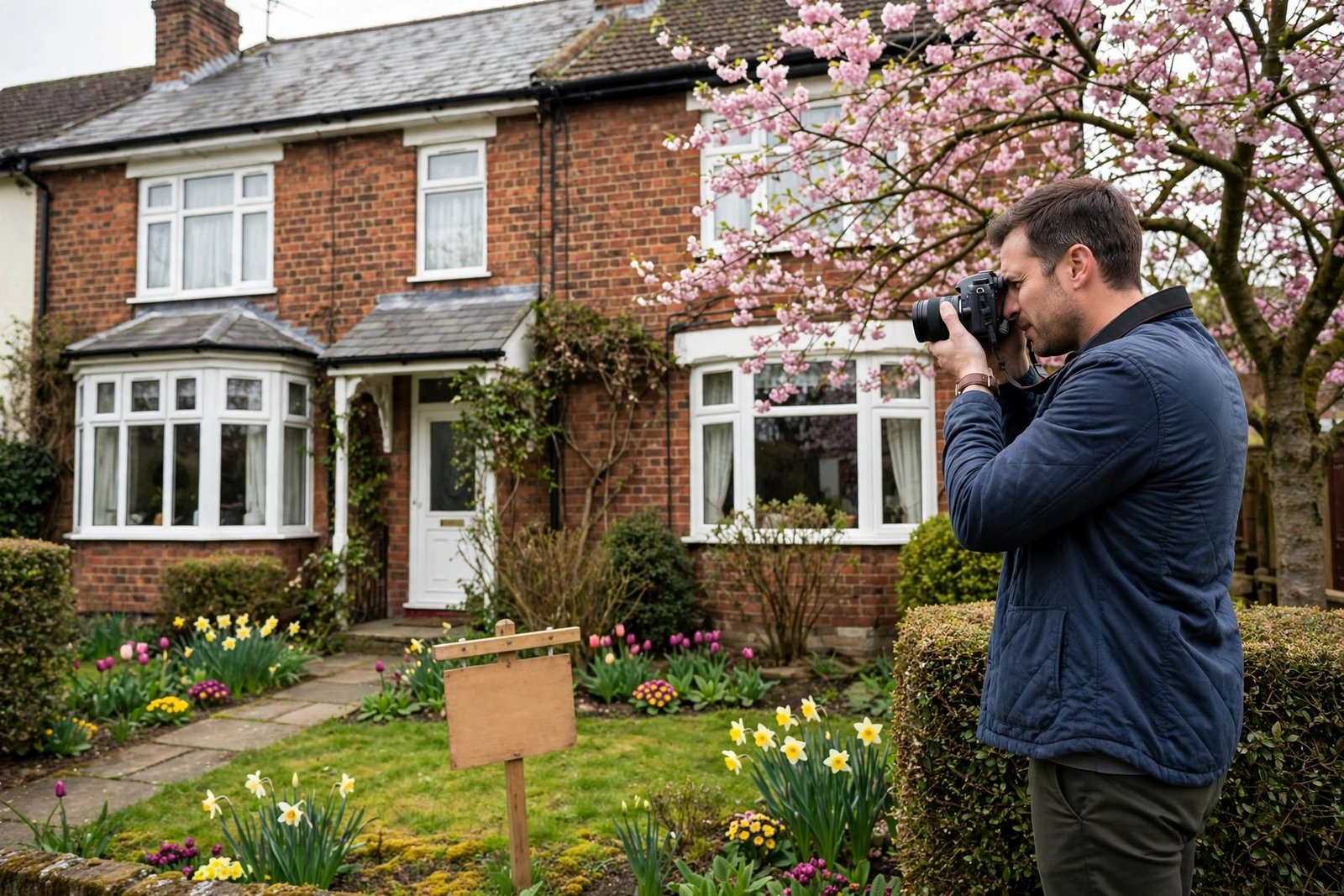
Estate agent fees on a £300,000 sale run to £3,600–£7,200 — a painful slice of your equity for a service you might be able to handle yourself. Selling your home without an estate agent — private sale, or FSBO (for sale by owner) — is entirely legal in the UK and increasingly common, with online platforms, better photography tools and motivated buyers making it more feasible than ever. But it is not free money: you are taking on marketing, viewings, negotiation and sale progression yourself. Here is an honest guide to when DIY selling works, how to do it well, and when to call in the professionals.
When selling privately makes sense (and when it does not)
Private sales work best for: desirable properties in high-demand areas (where buyers come to you), sellers with time and confidence, unique properties the owner understands better than any agent, and sales to known buyers (neighbours, family, tenants). They work worst for: difficult properties needing active marketing, sellers with no time for viewings, complex chains, and anyone who finds negotiation stressful. Be brutally honest about which category you are in — the fee saving is only a saving if the sale completes at a good price. If your property needs an agent’s skills, see our guide to finding reliable professionals for the analogous hiring process (and our estate-agent guide for choosing one).
Pricing: the make-or-break decision
Without an agent’s valuation, pricing is your responsibility — and overpricing is the classic private-seller error. Research sold prices (not asking prices) for comparable properties within half a mile over the last 6–12 months, available free via the Land Registry and property portals. Price slightly below the nearest comparable to generate competition, not above it “to leave room for negotiation” — overpriced private listings stagnate, and stagnant listings attract lowball offers. Consider paying £200–£400 for an independent RICS valuation if you are uncertain; it is cheap insurance against a £10,000 pricing error. Remember: the market decides the price, not your attachment to the conservatory.
Marketing your home like a professional
Photography and listings
Photos sell houses — this is the single area where DIY sellers most often fail. Declutter ruthlessly, clean obsessively, photograph in daylight with a wide-angle lens (or hire a professional photographer for £150–£300 — the best money a private seller spends). Write an honest, specific listing: lead with the strongest features, include room dimensions, mention transport links and schools with specifics. List on the major portals — private sellers can list on Zoopla and others via fixed-fee services, and your listing must also appear where buyers actually search. Taking better photos with your phone helps, but for the listing itself, professional shots pay for themselves many times over.
Viewings and enquiries
Be available — the private seller’s advantage is flexibility, so offer evening and weekend viewings that agents cannot. Prepare the house identically every time: lights on, heating on, beds made, bins empty, pets elsewhere. During viewings, highlight what you love but let buyers explore; hovering kills interest. Qualify enquirers early: are they chain-free? Mortgage agreed? Timescale? Wasting weekends on unqualified viewers is the hidden cost of private selling. And never let unaccompanied strangers wander — stay present, stay safe.
Negotiation and offers
When offers arrive, respond promptly and professionally — delay signals disorganisation. Evaluate each offer on more than price: chain position, buyer flexibility on dates, and proof of funds/mortgage agreement matter enormously. A £5,000-lower offer from a chain-free cash buyer often beats the higher offer dependent on three linked sales. Negotiate calmly: counter with specifics (“we’re looking for £X based on comparable sales”), set reasonable deadlines, and do not be offended by low offers — they are openings, not insults. If negotiation is not your strength, consider a hybrid: fixed-fee services offering negotiation support for a few hundred pounds. The approach parallels selling a small business — price, presentation and buyer qualification decide outcomes.
The legal process: conveyancing and progression
You still need a conveyancer or solicitor — this is non-negotiable and not where to economise dangerously. Instruct one before listing, so you are ready when offers come. Your conveyancer handles contracts, searches, and the legal transfer; expect £1,000–£2,000. The phase private sellers find hardest is sale progression: the weeks between offer acceptance and exchange, when chains wobble and solicitors go quiet. Without an agent chasing, you must do it: weekly calls to your conveyancer, polite pressure on the buyer’s side, and early warning of problems. Roughly 25–30% of UK sales fall through — active progression is your defence. MoneyHelper’s free selling guidance covers the legal timeline clearly, and Rightmove’s sold-prices data lets you check what similar homes actually sold for before you set your price.rly.
The true costs of DIY selling
Private selling is not free: budget £150–£300 for photography, £200–£500 for portal listings via fixed-fee services, £200–£400 for an independent valuation (optional), £1,000–£2,000 for conveyancing, plus EPC (£60–£120, legally required). Total: roughly £1,500–£3,000 versus £3,600–£7,200+ in agent fees. The saving is real — but so is your time investment: expect 30–60 hours across the sale. Value your time honestly in the calculation.
When to admit defeat and hire an agent
There is no shame in switching strategy. Call an agent if: the property has sat unsold for 8–12 weeks with little interest; you are struggling to handle viewings around work; negotiation is going badly; or the chain is collapsing and you need professional progression. Most agents will take on part-sold properties, and the fee on a rescue sale is better than no sale at all. Set yourself a clear deadline at the start — “if no acceptable offer in 10 weeks, I instruct an agent” — so pride does not keep a stagnant listing on the market for six months. Knowing when to delegate is as valuable as knowing how to DIY.
Conclusion
Selling your home without an estate agent is entirely viable for well-priced, desirable properties marketed with professional photos, shown flexibly, negotiated calmly and progressed actively — saving thousands in fees. It demands time, organisation and comfort with negotiation, and it is the wrong choice for difficult properties or time-poor sellers. Price from sold data not sentiment, photograph like a professional, qualify every buyer, and chase the chain yourself. Do that, and the agent’s commission stays where it belongs: in your pocket.
Frequently Asked Questions
Can I sell my house without an estate agent in the UK?
Yes — private sales are entirely legal. You handle marketing, viewings, negotiation and sale progression yourself, but still need a conveyancer for the legal work. Fixed-fee services can list your property on major portals.
How much does it cost to sell privately?
Roughly £1,500–£3,000 total: photography (£150–£300), portal listings (£200–£500), conveyancing (£1,000–£2,000), EPC (£60–£120) — versus £3,600–£7,200+ in traditional agent fees.
How do I price my house without an agent?
Research sold (not asking) prices for comparable nearby properties via Land Registry data, price slightly below comparables to generate interest, and consider a £200–£400 independent RICS valuation for confidence.
What are the risks of selling without an estate agent?
Overpricing, poor marketing, unqualified viewers wasting time, weak negotiation, and stalled sale progression. Each is manageable with preparation — but be honest about your skills and availability.
Do I still need a solicitor if I sell privately?
Yes — a conveyancer or solicitor is essential for the legal transfer, searches and contracts. This is not an area to cut corners; instruct one before you list.


Leave a Reply