
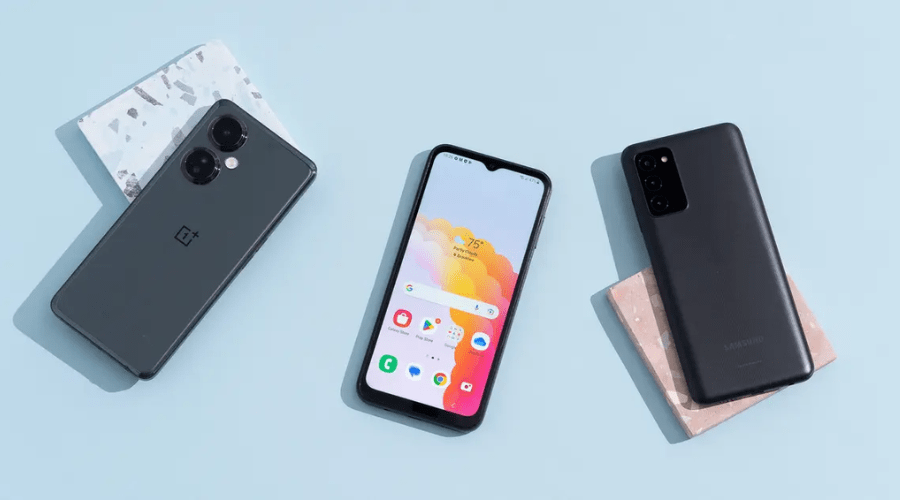
Which is the best budget smartphone under £300 in the UK? A few years ago, that question would have had a depressing answer — slow, plasticky phones with terrible cameras. Not anymore. The budget phone market in 2026 is genuinely excellent, and £250–£300 now buys you a phone that does 90% of what a £900 flagship does. I’ve tested and handled most of the current contenders, and the gap between budget and premium has never been smaller.
The trick is knowing where budget phones cut corners — and which corners don’t matter to you. Here’s how to choose wisely.
What £300 gets you in 2026
At this price, expect:
- A bright, smooth display. 120Hz OLED or high-quality LCD screens are now standard. Your Instagram and YouTube will look great.
- All-day battery life. Budget phones often outlast flagships here — bigger batteries, less demanding chips. Two-day battery is common.
- A genuinely good main camera. Daylight photos from the best budget phones are hard to distinguish from flagships. Low light and zoom are where they lag.
- 5G connectivity. Standard across the board now.
- 3–5 years of software updates from the better brands — worth checking, as this varies hugely.
What you typically give up: wireless charging, the very fastest processors, premium build materials (glass backs are rare), and top-tier low-light photography. For most people, that’s a trade worth making to save £500+.
Which is the best budget smartphone under £300 in the UK? The top contenders
Based on cameras, battery, software support and UK availability, these are the names that keep coming up:
- Google Pixel A-series (e.g. Pixel 9a / 10a). My default recommendation for most people. The camera is the best in class by a clear margin — Google’s photo processing does magic with modest hardware — and you get clean Android with long update support. Often discounted below £300 a few months after launch.
- Samsung Galaxy A35 / A55. Samsung’s mid-range A-series offers lovely AMOLED screens, dependable cameras and Samsung’s now-generous update policy. A safe, well-rounded pick, widely available on UK networks.
- Nothing Phone (2a). The quirky transparent design isn’t for everyone, but the software is slick, performance is strong, and it stands out in a sea of lookalikes. Good value when discounted.
- Xiaomi Redmi Note series. Absurd specs for the money — big batteries, fast charging, decent screens. The software has more bloatware than rivals, but pound-for-pound hardware is unmatched.
- Motorola Moto G series. The unsung hero of budget phones. Clean-ish software, huge batteries, and prices that often dip well under £200. Cameras are merely okay, but everything else is solid.
How to choose between them
Ask yourself what matters most:
- Camera first? Get the Pixel A-series. Nothing else under £300 touches it for photos.
- Battery first? Motorola or Xiaomi — both regularly deliver two-day battery life.
- Long-term software support? Samsung and Google promise the most years of updates, which matters if you keep phones for 3–4 years.
- Best screen for films? Samsung’s AMOLED displays are the nicest at this price.
- Cheapest decent option? Last year’s models. A Pixel 8a or Galaxy A54 bought discounted often beats this year’s £300 phones.
New vs refurbished at £300
Here’s a thought many buyers miss: £300 also buys a very nice refurbished phone. A refurbished iPhone 12 or 13, or a Samsung Galaxy S-series from two years ago, often outperforms a new £300 budget phone — better build, better cameras, faster chips. The trade-off is battery health (check it’s above 85%) and fewer remaining years of updates. Buy refurbished only from reputable sellers with a proper warranty — Apple’s own refurbished store, Samsung ReNewed, or established UK retailers. It’s well worth considering, and our guide to whether a refurbished iPhone is worth it in the UK digs into the details.
Where to buy (and what to avoid)
SIM-free from retailers like Currys, Argos, Amazon UK or direct from manufacturers usually beats network contracts on total cost — do the maths on any “free” phone deal, because the inflated monthly tariff often costs more over 24 months. Avoid grey-market importers selling phones meant for other regions: no UK warranty, and sometimes missing 5G bands. And check the returns policy — a phone that looks great on paper might not suit your hands or your eyes.
Don’t overlook the software and security angle
One thing that separates the good budget phones from the duds isn’t on the spec sheet: how long the manufacturer keeps sending security updates. A phone that stops getting patches after two years becomes a liability for banking apps and everyday use. Samsung and Google now promise up to seven years of updates on many models, including their cheaper ones — a big reason they top my recommendations. Cheaper brands sometimes manage only two years. When you’re comparing two £250 phones, the one with longer support is almost always the better buy, even if the other has a slightly fancier camera. Also check for little quality-of-life features: an in-display fingerprint sensor that actually works, stereo speakers, and NFC for contactless payments (some ultra-cheap phones still skip NFC, which is maddening in the UK).
Trade-in deals: the hidden discount
One more way to stretch £300 further: trade in your old phone. Apple, Samsung and most UK retailers offer trade-in credit — even a three-year-old phone in decent condition can fetch £80–£150, effectively upgrading your budget. Network trade-in deals sometimes beat retail, so compare before committing. And if your old phone is truly dead, recycling schemes still pay a few pounds and keep it out of landfill. Factor the trade-in value into your budget from the start: £300 cash plus £100 trade-in opens up the £400 tier, where the choices get noticeably better.
The bottom line
Which is the best budget smartphone under £300 in the UK? For most buyers, the Google Pixel A-series — best camera, clean software, long updates. Samsung’s A-series is the safest all-rounder, Motorola the battery champion, and Xiaomi the spec-per-pound king. Whichever you choose, buy SIM-free, consider last year’s model at a discount, and don’t assume spending more gets you a meaningfully better phone. At this price point, the smart money stays in your pocket.
Once you’ve chosen, make it last with our tips on extending your phone battery’s life, and learn how to transfer data from your old phone to your new one. For independent reviews, Which? mobile phone reviews test phones in a lab, and Wikipedia’s smartphone overview covers the technology background.




Leave a Reply